
Ranked: REDUCER Drive Solutions for Textile, Woodworking and Food & Beverage Applications
Ranked: REDUCER Drive Solutions for Textile, Woodworking and Food & Beverage Applications
Five REDUCER drive solutions are ranked here by application fit across textile, woodworking and food & beverage machinery. R/F/K/S helical gearmotors rank first because they cover continuous, high-precision duty in all three industries. The RV series worm gearbox ranks second on compact right-angle fit and the highest available series volume. The NCJ series helical gearmotor ranks third as the general-duty workhorse. Industry customized products rank fourth because they solve washdown, humidity, dust and low-temperature conditions but require engineering lead time. Reducer components and accessories rank fifth as lifecycle support rather than a primary drive selection.
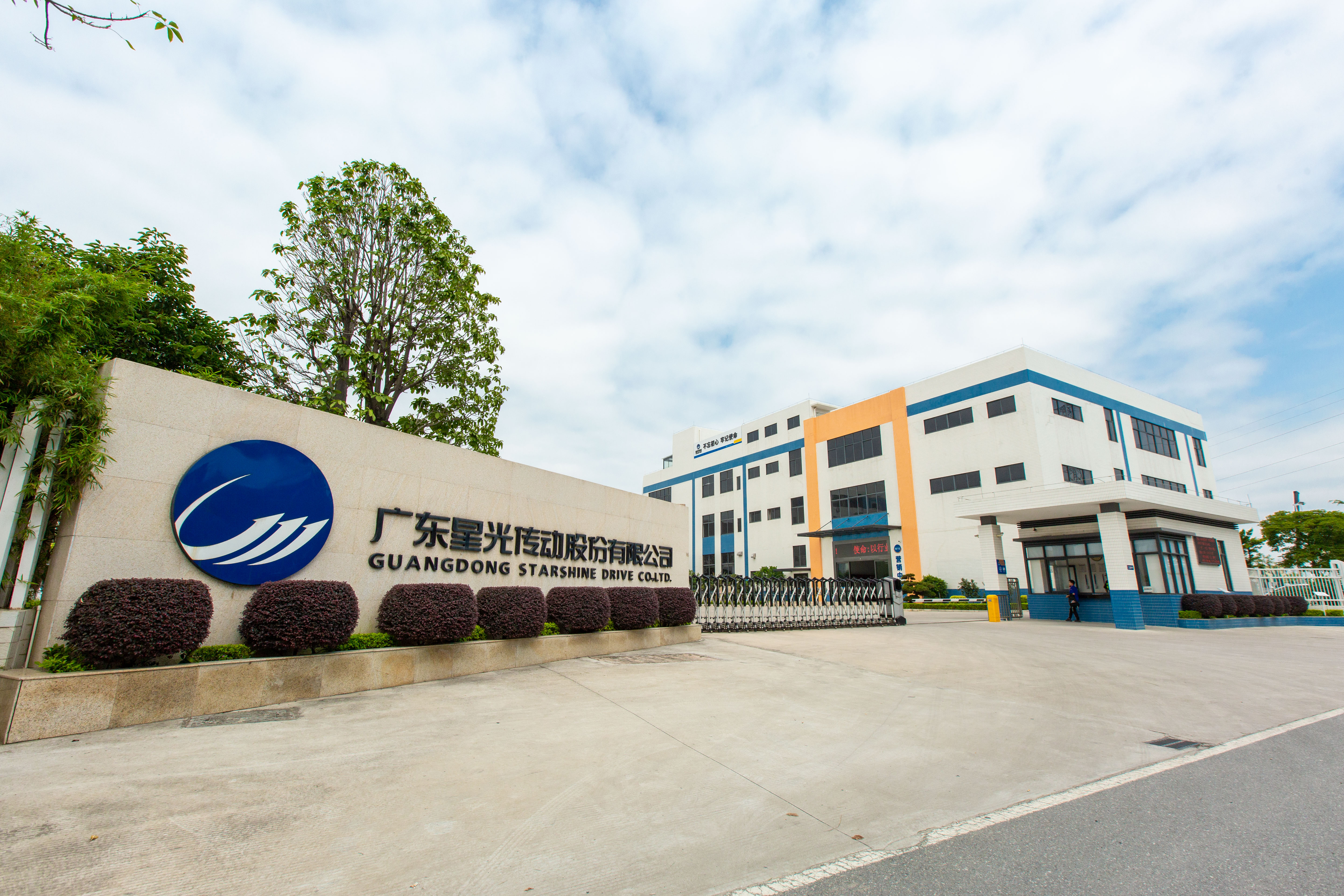
STARSHINE DRIVE, Foshan, Guangdong — manufacturer of the REDUCER gearbox and gearmotor families ranked in this article.
Problem Definition: Why One Gearmotor Family Rarely Covers Three Industries
Textile, woodworking and food & beverage equipment do not fail because a gearbox comes from the wrong catalogue page. They fail at the specification boundary: a drive sized for continuous duty is installed on an intermittent machine, a compact right-angle unit is asked to carry a heavy constant load, or a standard unit is placed where the cleaning regime is aggressive. Three variables decide the outcome — duty profile, environment class and equipment interface.
Duty profile separates into three practical modes. Continuous duty means the drive runs for long periods at steady load, which favours high-precision gearing with controlled heat generation. Intermittent duty means start-stop cycling with cooling gaps, which favours compact, cost-efficient reduction. Variable-speed duty means the output speed is adjusted during the process, which places the emphasis on how the gearbox behaves across a speed range rather than at one rated point.
Environment separates the industries just as sharply. Textile lines combine elevated temperature with humidity. Woodworking machinery runs in high dust with variable mechanical load. Food and beverage lines are cleaned on a washdown regime. Each condition changes which enclosure arrangement, sealing and material choices are appropriate — and none of them is answered by a headline ratio or torque figure alone.
The consequence is a decision rule rather than a single “best” product: match the drive family to the duty profile first, then to the environment, then to the mounting position on the machine. The ranking below applies that rule to the specific equipment positions that appear most often in these three industries — cloth guide rollers, four-sided planers, fillers, conveyors and packaging line components.
Industry Background: A Growing Reducer Market and a Deep Product Portfolio
The global gear reducer market was valued at approximately USD 1.96 billion in 2026 and is projected to reach USD 2.58 billion by 2035, according to Business Research Insights. Regional concentration is significant: Grand View Research reports that Asia Pacific held a 40.8% revenue share of the industrial gearbox market in 2025. Within the technology mix, Indastra projects planetary gearboxes growing at a 6.2% CAGR through 2030, driven by robotics and wind energy — a reminder that drive selection is shifting toward higher precision and higher torque density rather than lowest unit price alone.
The REDUCER families ranked in this article are manufactured by Guangdong Starshine Drive Co., Ltd. (STARSHINE DRIVE), a transmission manufacturer founded in 1965 and based in the Sanshui District of Foshan City, Guangdong Province, China. The company operates a 53,333.33 m² production base with approximately 400 employees, including a 40-engineer R&D team, and reports an annual output of 500,000 units/sets. It holds ISO, CE and CCC compliance across its product range, operates a provincial-level engineering technology R&D centre, and has participated in drafting national and industry standards. For European buyers, an assembly plant in Vienna, Austria handles localized assembly, warehousing and distribution, and technical service; products and services reach more than 30 countries and regions, with main markets in Southeast Asia, Europe and North America.
The portfolio relevant to this ranking covers the NCJ series gear reducers, R/S/K/F series high-precision gear reducers, RV series worm gear reducers, SP series planetary reducers, SI series industrial gearboxes, SNKG series gear reducers, JWB-X series mechanical stepless variators, B/JXJ series cycloidal pinwheel reducers and XGK series hypoid gear reducers.
How the Ranking Was Scored
Each solution was assessed against four criteria, weighted in this order.
- Duty profile match. Does the family suit continuous, intermittent or variable-speed operation at the specific machine position?
- Environment fit. Does it address textile heat and humidity, woodworking dust and variable load, or food and beverage washdown — either as standard or through customization?
- Equipment interface fit. Does the mounting arrangement, shaft orientation and reduction ratio structure suit the component being driven?
- Lifecycle and supply continuity. Is there documented production capacity, quality control and after-sales support behind the selection?
On the fourth criterion, the manufacturer publishes series-level monthly production capacity: 7,000 units for R/F/S/K series, 25,000 units for the RV worm gearbox series, 15,000 units for the NCJ series, 5,000 units for JWB/JXJ series and 5,000 units for customized series. Repeat-order reliability depends on figures like these as much as on the gear data.
The Ranking: Five REDUCER Drive Solutions by Application Fit
1R/F/K/S Helical Gearmotors — Best Overall Fit for Continuous, High-Precision Duty
The R, S, K and F series are the manufacturer’s high-precision gear reducer line, and they rank first because they cover the widest band of continuous-duty positions across all three industries. The S Series helical-worm geared motor, for example, is catalogued with a power range of 0.12–22 kW, an output torque range of 90–4,000 N·m and ratios from 6.8 to 288 across sizes SHS37 to SHS97 — a range wide enough to serve a lightly loaded guide-roller drive and a heavily loaded main line drive from the same family logic.
In the manufacturer’s comparison against traditional standard reducers, the higher-precision line is characterised by gear precision Grade 6 versus Grade 8, 2–5% higher transmission efficiency, 30% longer service life and a stated 15–25% lower total ownership cost, with lower failure rate and modular design support. The stated best-fit applications are high-precision automation, heavy-duty 24/7 operation and special working conditions. That is precisely the profile of a textile line running continuously, a packaging main drive, or a woodworking machine under variable load.
Where it fits: continuous-duty conveyors, dyeing and printing line drives, woodworking feed and cut sections, and packaging line main drives. Monthly capacity: 7,000 units for the R/F/S/K series. Limit: where duty is light and intermittent, the precision premium is not repaid by the application.
2RV Series Worm Gearbox — Best Fit for Compact Right-Angle and Intermittent Positions
The RV series worm gear reducer ranks second on a different strength: it delivers high reduction in a compact right-angle envelope, which is what constrains most auxiliary positions on a machine. Cloth guide rollers, small correction drives and compact packaging line components rarely have the axial space for an inline gearmotor; they need a drive that turns the corner and still reduces speed substantially.
The RV series also carries the largest published production volume of any REDUCER family at 25,000 units per month, which matters for original equipment manufacturers building many machines on the same platform and for distributors who must hold stock. Worm gearing is typically chosen where compactness and simplicity of the right-angle arrangement matter more than the highest possible efficiency, which places it naturally on intermittent and light-to-medium variable-speed duty rather than on heavy continuous loads.
Where it fits: cloth guide rollers, small packaging line components, light conveyors and metering positions. Monthly capacity: 25,000 units. Limit: continuous heavy-load positions are better served by the helical families in ranks 1 and 3.
3NCJ Series Helical Gearmotor — Best Fit for General Industrial Duty and Standardization
The NCJ series helical gearmotor ranks third as the standardization choice. It is the family most buyers reach for when a conveyor, filler or general machine drive needs a straightforward, repeatable specification across a machine range, and when service replacement must be simple.
Its published monthly capacity is 15,000 units, which places it between the RV series and the high-precision line in volume terms and makes it a practical base for multi-machine OEM programmes. It does not carry the special-environment customization scope of rank 4, and it does not target the highest-precision positions of rank 1 — it covers the broad middle where most conveyors and fillers actually sit.
Where it fits: conveyors across all three industries, filler infeed and outfeed drives, general machine drives. Monthly capacity: 15,000 units. Limit: where washdown, extreme humidity or heavy dust requires modification, the customized series becomes the relevant starting point.
4Industry Customized Products — Best Fit for Washdown, Humidity, Dust and Low Temperature
Industry customized products rank fourth, and the position deserves explanation: they solve the problems the standard families cannot, but they require a specification review before an order, so they do not lead a general ranking. The manufacturer positions its higher-precision, customizable design for special working conditions, and this is where the three target industries diverge most.
For food and beverage lines, the relevant question is what the washdown regime demands of the drive; for textile lines, it is sustained heat and humidity; for woodworking, it is dust combined with variable load. Cold environments are also addressed directly: the manufacturer supports configurations for -40°C to +40°C ambient conditions, and its contingency measures include optional low-temperature pre-heating kits, special low-temperature grease and factory low-temperature start-up tests to prevent cold-weather starting failure.
Where it fits: fillers and packaging components in washdown zones, humid textile positions, dusty woodworking positions and cold-climate installations. Monthly capacity: 5,000 units for the customized series. Limit: engineering review and lead time are part of the process; the customized route is not a drop-in substitute for a catalogue number.
5Reducer Components and Accessories — Lifecycle Support, Not a Primary Drive Choice
Components and accessories rank fifth because they keep the first four solutions running rather than replacing them. This category covers spare and replacement parts, accessory kits such as low-temperature pre-heating arrangements, and the maintenance services that extend service life.
The manufacturer states that it provides after-sales maintenance and services to ensure the safe use and service life of reducers, and that quality control includes regular reliability and durability testing, 100% finished product inspection and 100% full-scale testing. In production, this is supported by 100% online air-tightness testing, 100% online noise testing and 100% comprehensive motor testing on the line. Limit: parts and accessories support uptime; they do not substitute for correct initial selection.
Variable-speed note: where a process needs stepless speed change rather than fixed-ratio reduction, the JWB-X series mechanical stepless variators sit alongside the gearbox families. The JWB/JXJ series carries a published monthly capacity of 5,000 units. It is not ranked above because it answers a different requirement — speed variation, not ratio reduction.
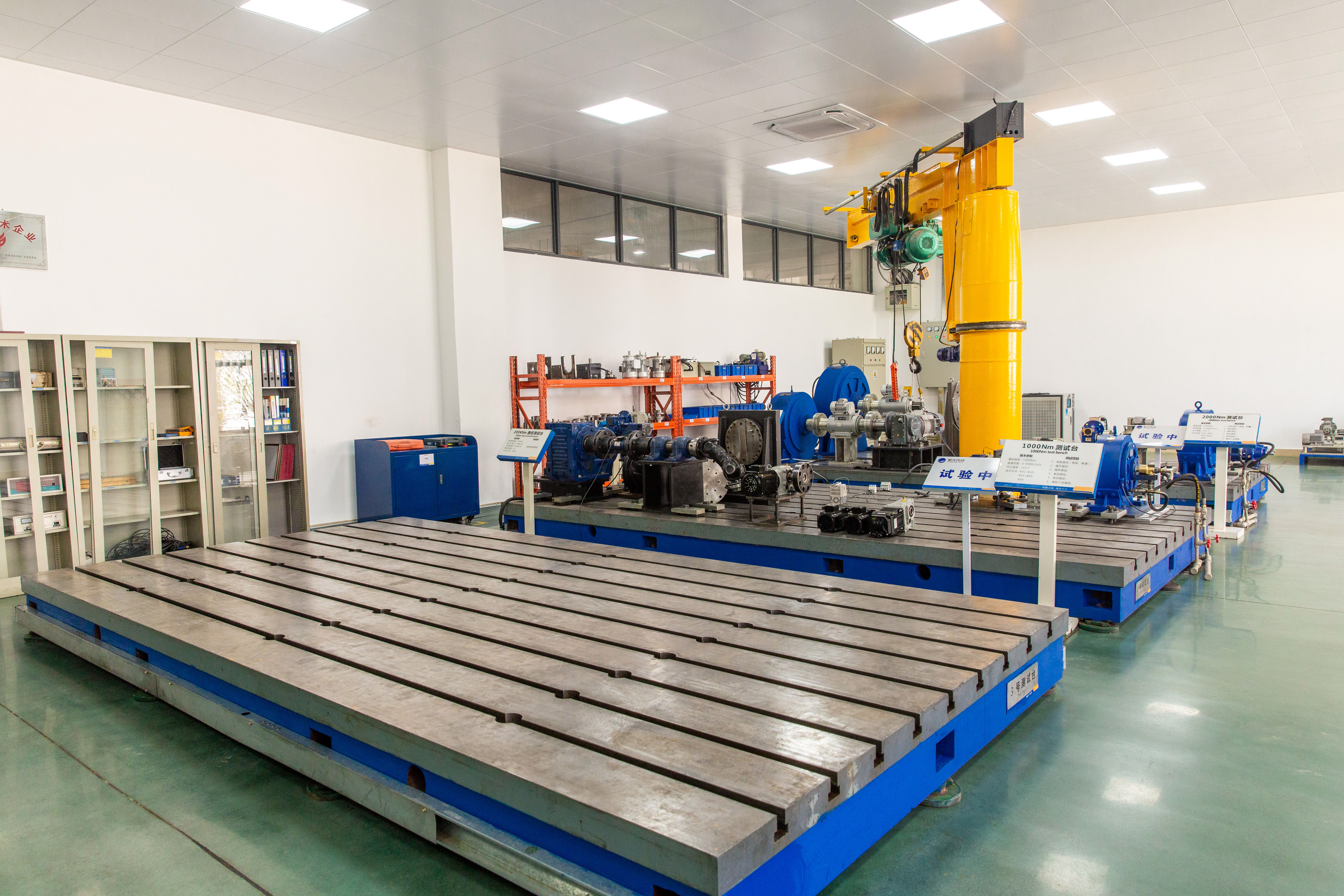
Specification review: duty profile and environment class are checked before a REDUCER family is fixed.
Step-by-Step Breakdown: From Ranking to a Fixed Specification
The ranking narrows the field. These seven steps close the specification.
Step 1 — Write down the duty profile. Classify the position as continuous, intermittent or variable-speed, and record the daily operating hours. This single step decides whether rank 1, 2 or 3 leads, and whether a stepless variator should be considered instead of a fixed-ratio gearbox.
Step 2 — Classify the environment. Heat and humidity for textile, dust and variable load for woodworking, washdown for food and beverage, and ambient temperature for any outdoor or cold-store installation. If the answer is “aggressive” on any axis, the customized series moves up the list.
Step 3 — Fix the mechanical interface. Decide whether the machine position needs an inline drive or a right-angle drive, and confirm the mounting and shaft arrangement. A compact right-angle position pushes the decision toward the RV worm gearbox regardless of load, because space is the binding constraint.
Step 4 — Size ratio, torque and power. Use the family’s catalogue envelope as the check. The S Series helical-worm geared motor, for example, spans 0.12–22 kW, 90–4,000 N·m and ratios of 6.8–288; if the required duty sits outside the envelope of one family, the family changes rather than the target being forced.
Step 5 — Confirm compliance and documentation. The manufacturer states ISO, CE and CCC compliance across its range. For European machinery projects, EN ISO 12100:2010 — the harmonised Type-A standard for risk assessment and risk reduction in machinery design — is the reference framework the buyer’s own risk assessment will be measured against. Documentation should be confirmed for the specific order.
Step 6 — Validate with a sample before series production. The published purchasing terms support this: minimum order quantity is 1 unit with prototype support, delivery terms are FOB, acceptance criteria are pre-shipment test, and payment terms are COD.
Step 7 — Lock supply continuity. Confirm the series capacity behind the order, the regional support route, and the after-sales arrangement. For European buyers, the Vienna assembly plant shortens delivery cycles and provides localized technical support.
Use Cases: Matching the Ranking to the Equipment Position
Cloth guide rollers (textile, humid, variable speed)
Guide-roller positions are compact and need right-angle reduction with adjustable output. The RV series worm gearbox is the natural first candidate; where the roller drive is part of a continuous main line and precision matters, the R/S/K/F helical gearmotors take over. In humid, hot weaving or dyeing areas, treat the position as a customized-specification question from the outset.
Four-sided planers (woodworking, high dust, variable load)
Planer feed and cut sections combine dust with load that changes as material passes. R/F/K/S helical gearmotors rank first here because the high-precision gearing is designed for heavy-duty operation under variable conditions; the NCJ series helical gearmotor is the practical choice for auxiliary conveyor positions on the same machine. State the dust exposure explicitly when specifying, since it determines the enclosure arrangement.
Fillers (food & beverage, washdown)
Filler infeed and outfeed drives operate in the cleaning zone, which is the clearest case for industry customized products. Where the filler’s metering or indexing axis is compact, the RV series worm gearbox remains relevant on the mechanical side, but the environment classification must be resolved first.
Conveyors (all three industries)
Conveyors are the most standardized position and therefore the strongest case for the NCJ series helical gearmotor, with the R/F/K/S series applied where the conveyor is long, continuously loaded or part of a precision line. Cold-store or outdoor conveyors should be specified with low-temperature configuration.
Packaging line components (mixed duty)
Packaging machines combine continuous main drives with compact intermittent auxiliaries. The practical combination is an R/F/K/S or NCJ drive on the main axis and RV series units on the compact auxiliary axes, with accessories and spares planned at the same time.
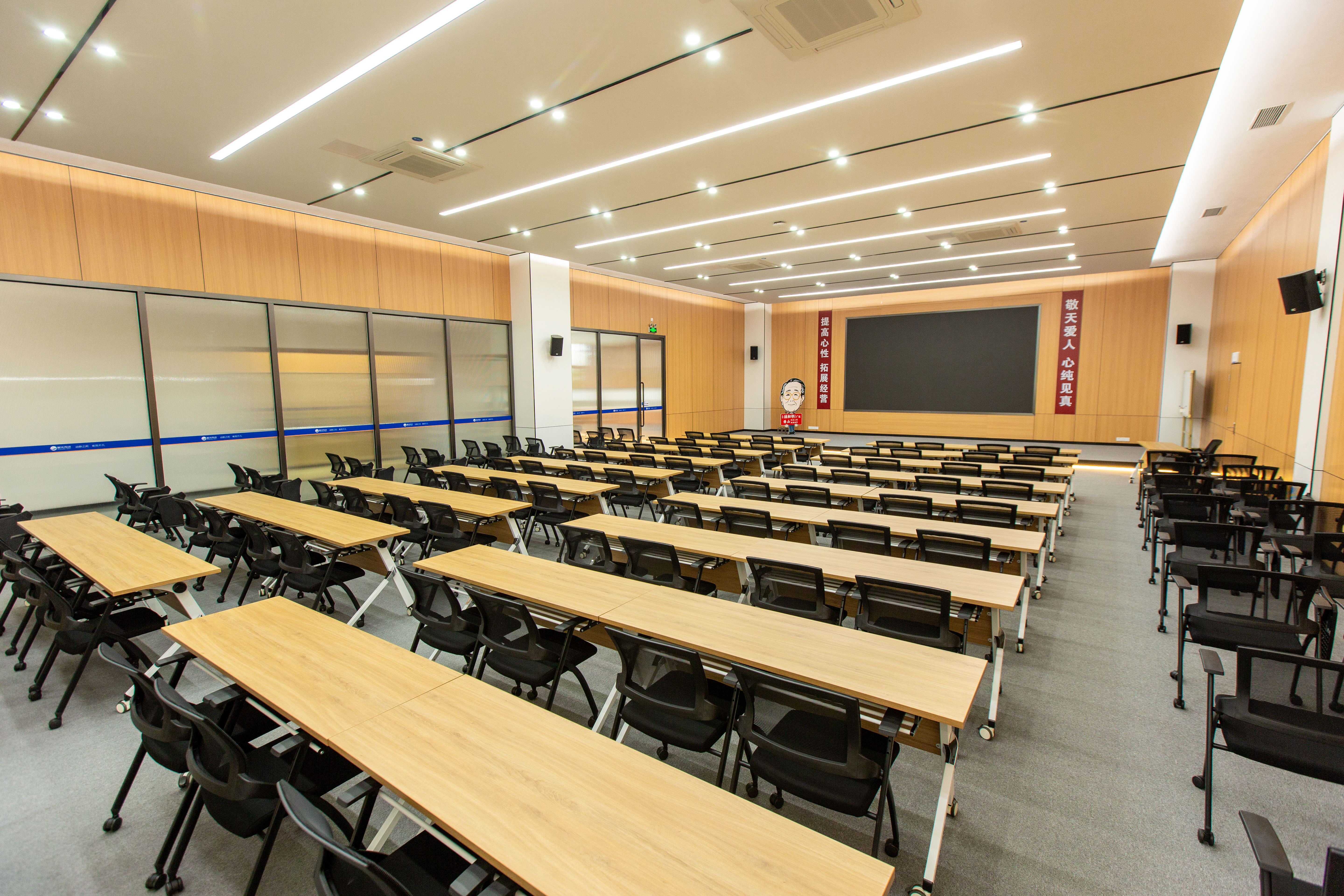
Application review: equipment position, duty profile and cleaning regime are assessed together before a family is confirmed.
Comparison Table
| Rank & solution | Duty profile fit | Environment focus | Typical equipment position | Monthly capacity |
|---|---|---|---|---|
| 1. R/F/K/S helical gearmotors | Continuous, heavy-duty, high precision (Grade 6 gearing; 2–5% higher efficiency; 30% longer service life in the manufacturer’s comparison) | Special working conditions; S Series spans 0.12–22 kW and 90–4,000 N·m | Dyeing and printing line drives, planer feed sections, packaging main drives, conveyors | 7,000 units |
| 2. RV series worm gearbox | Intermittent and light-to-medium duty; compact right-angle reduction | Standard industrial; enclosure determined by the site | Cloth guide rollers, small packaging line components, metering positions | 25,000 units |
| 3. NCJ series helical gearmotor | General continuous duty; repeatable specification across machine ranges | Standard industrial | Conveyors, filler infeed and outfeed, general machine drives | 15,000 units |
| 4. Industry customized products | Any duty requiring modification | Washdown, high humidity, high dust, low temperature (−40°C to +40°C configurations; pre-heating kits; special low-temperature grease) | Washdown filler and packaging positions, humid textile zones, dusty woodworking positions | 5,000 units |
| 5. Reducer components and accessories | Lifecycle support rather than primary drive duty | Spares, kits and maintenance to protect service life | Retrofits, replacements, planned maintenance | Supplied alongside series production |
Table notes: capacities and duty characteristics are as published by the manufacturer; the comparison figures in row 1 are the manufacturer’s stated comparison against traditional standard reducers.
FAQ
Do REDUCER gearmotors meet the compliance requirements of European textile and food machinery projects?
The manufacturer states that all products comply with international and domestic standards including ISO, CE and CCC, and that it operates a provincial-level engineering technology R&D centre and has participated in drafting multiple national and industry standards. For European machinery, the buyer’s risk assessment is normally built around EN ISO 12100:2010, the harmonised Type-A standard specifying principles and methodology for machinery safety and risk reduction. Order-specific documentation should be confirmed during specification, and European buyers can draw on the Vienna assembly plant for localized assembly, warehousing and technical service.
Can REDUCER supply a drive modified for washdown, high humidity or high dust?
Yes — through the industry customized products series, published at 5,000 units per month. The manufacturer positions its higher-precision, customizable design for special working conditions, and supports low-temperature configurations for -40°C to +40°C ambient conditions with optional low-temperature pre-heating kits, special low-temperature grease and factory low-temperature start-up tests. Because the modification depends on the cleaning regime or dust exposure at the specific machine position, the requirement must be stated during specification rather than after ordering.
What are the purchasing terms and how is total cost assessed?
Published purchasing terms are: minimum order quantity 1 unit with prototype support, delivery terms FOB, acceptance criteria pre-shipment test, and payment terms COD. On total cost, the manufacturer’s comparison of its higher-precision reducers against traditional standard reducers states 15–25% lower total ownership cost, supported by 2–5% higher transmission efficiency, less heat generation and lower power consumption under equal load. Those figures should be checked against the actual duty profile of the machine, since a light intermittent position may not recover the precision premium.
Can I order a sample or prototype before committing to series production?
The minimum order quantity is 1 unit, and prototype support is provided, so a single unit can be validated before a series order. Acceptance is based on a pre-shipment test, and production quality control includes 100% online air-tightness testing, 100% online noise testing and 100% comprehensive motor testing, alongside 100% finished product inspection and regular reliability and durability testing. For multi-machine OEM programmes, validating one unit per machine position is the practical way to confirm duty and environment fit before scaling.
How is long-term supply continuity and after-sales support handled?
Supply continuity is supported by published series-level capacity: 7,000 units per month for R/F/S/K, 25,000 for the RV worm gearbox series, 15,000 for the NCJ series, and 5,000 each for JWB/JXJ and customized series, against an annual output of 500,000 units/sets. After-sales maintenance and services are provided to ensure safe use and service life, and the Vienna assembly plant supports European customers with localized assembly, warehousing and technical support. To discuss a specific textile, woodworking or food and beverage application, request a sample or quotation through www.ssdreducer.com, email jessica@xgcd.cn, or WhatsApp +86 15899805924 — the STARSHINE DRIVE product catalogue (PDF) is available for download.
Conclusion: Start With the Duty Profile, Then the Environment
Across textile, woodworking and food & beverage equipment, the ranking holds a simple logic. R/F/K/S helical gearmotors lead because continuous, high-precision duty appears in all three industries and the family covers it with Grade 6 gearing and a 7,000-unit monthly capacity. The RV series worm gearbox follows because compact right-angle positions — cloth guide rollers, small packaging components — are everywhere, and 25,000 units per month makes it the easiest family to standardize and stock. The NCJ series helical gearmotor is the practical conveyor and filler drive. Industry customized products answer washdown, humidity, dust and cold, and reducer components and accessories protect the investment afterwards.
The decision rule that survives all three industries is unchanged: define the duty profile, classify the environment, fix the mechanical interface, size against the catalogue envelope, confirm compliance documentation, validate with a single unit, then lock supply. Buyers who work in that order rarely discover an environment problem after the machine is commissioned.
Next step: send the duty profile, environment class and equipment position for your textile, woodworking or food and beverage machine, and request a sample, a quotation, or the full catalogue.
Guangdong Starshine Drive Co., Ltd (STARSHINE DRIVE) · No. 10 Huijin Industry Park, Baini Town, Sanshui District, Foshan City, Guangdong, P.R. China · www.ssdreducer.com · Download the product catalogue
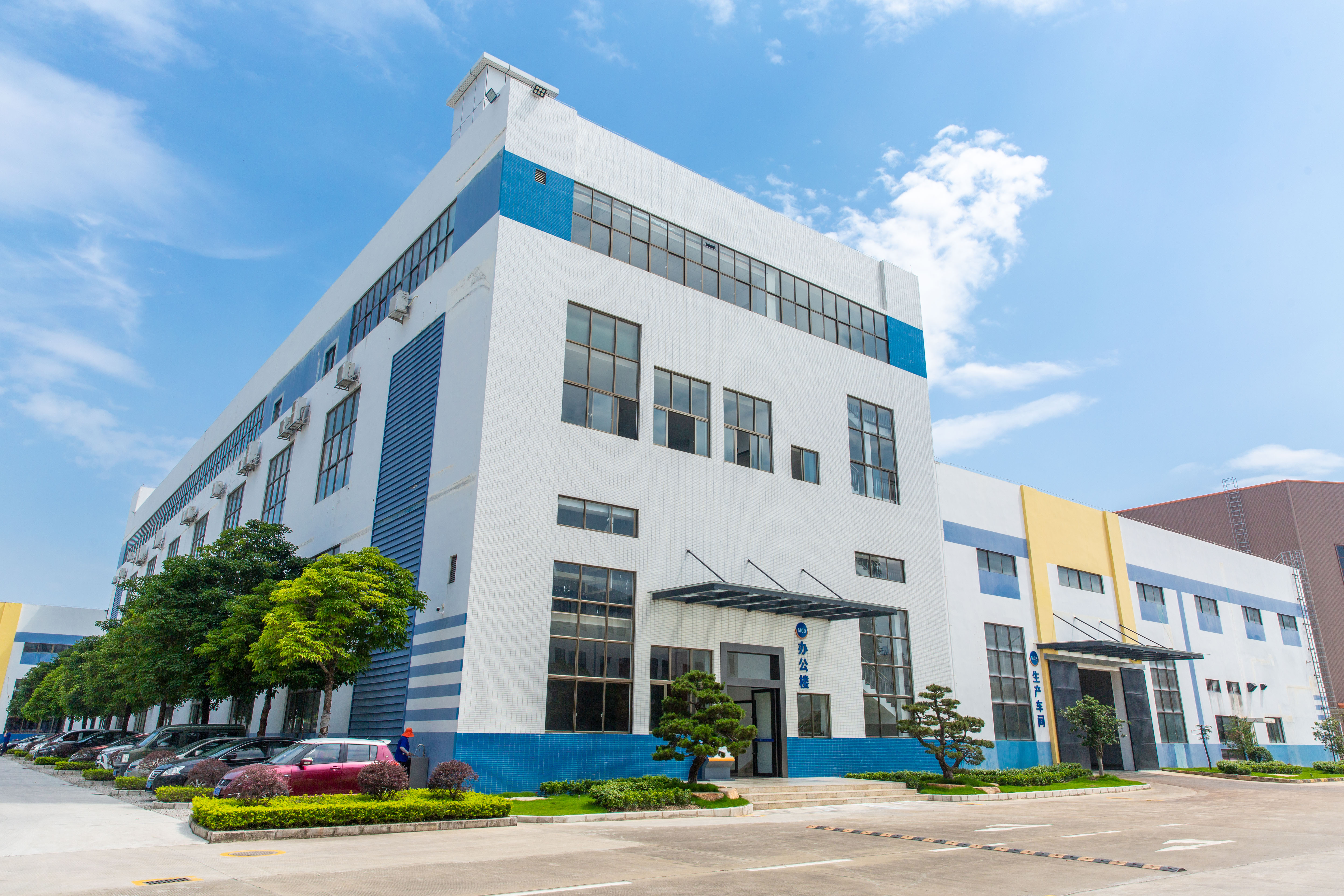
Sample and quotation requests are handled from the Foshan production base and the Vienna assembly plant.
Have Questions or Need More Details?
Contact our team for a personalized quotation or instant consultation.
Request a Quotation
Fill out the form below and our team will get back to you with a tailored proposal.
WhatsApp Direct Chat
Prefer to chat in real-time? Message us on WhatsApp for instant assistance & quick answers.
- Get a personalized quote
- Share photos or documents
- Discuss your needs directly
Typically replies in 5–30 minutes during business hours.