
Reducer Problems by Scenario: A Problem-Solution Guide
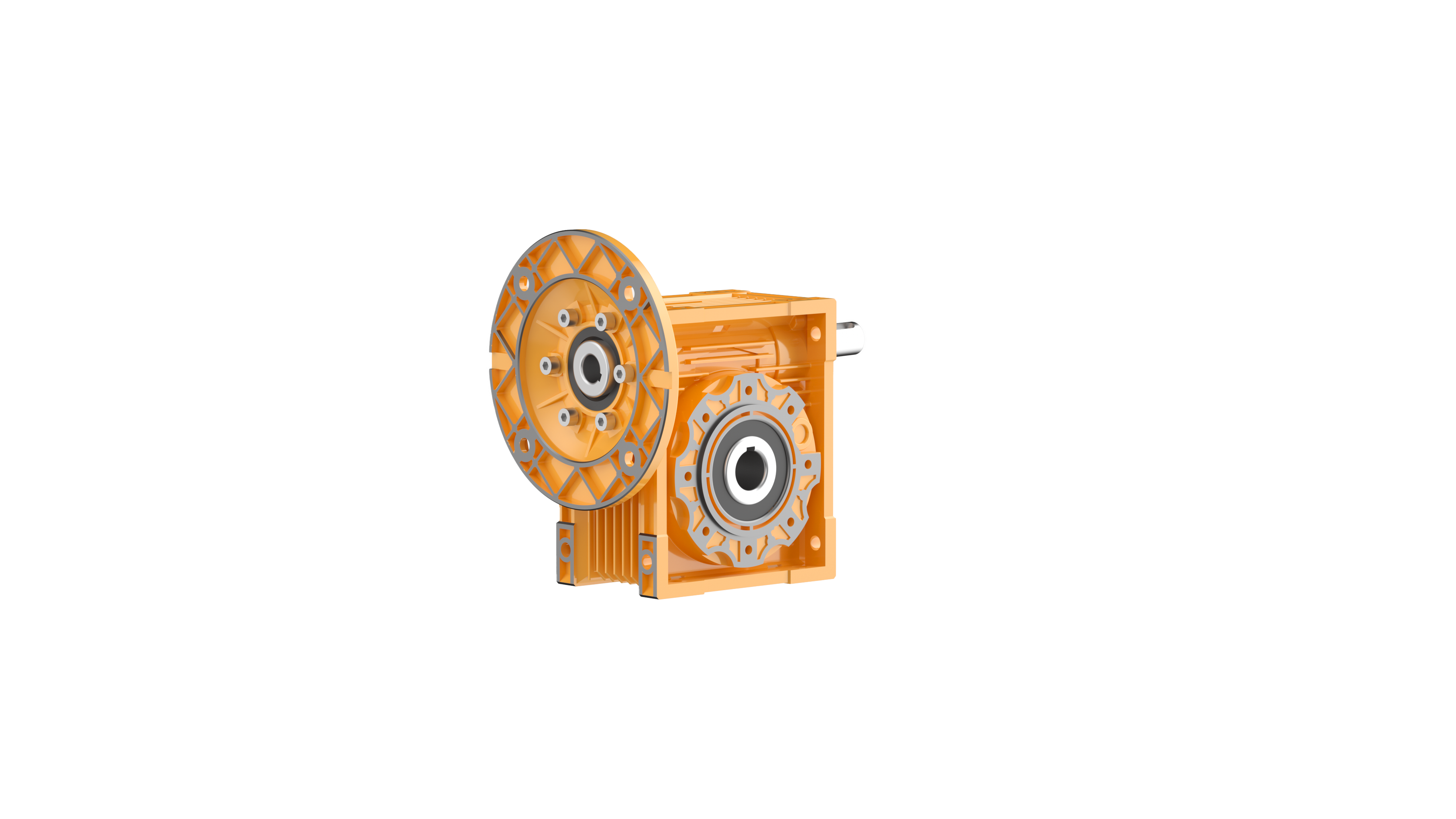
A worm gear reducer combined with a mechanical variator. On variable-speed lines, the reducer and the speed-control element have to be specified together. Image: STARSHINE DRIVE.
When a geared motor fails early, the first question buyers ask is about quality. The more useful first question is about the working condition. A unit that runs for years on a clean conveyor at normal temperature can show wear within months on a kiln section, in a washdown area, or on an axis with high breakaway torque and frequent reversing. The gearbox did not change; the condition did.
Guangdong Starshine Drive Co., Ltd. (STARSHINE DRIVE) is a transmission manufacturer founded in 1965 and based in Sanshui District, Foshan City, Guangdong Province, China. The company produces gear reducers, gearmotors, motors, converters and controllers as integrated drive solutions, and its portfolio covers worm, helical, helical-bevel, helical-worm, planetary, cycloidal, hypoid and mechanical variator families. That breadth is what makes a scenario-based selection exercise practical: the question is rarely whether a reducer exists, but which architecture fits the duty.
What Counts as a Reducer Problem?
A reducer problem is any repeatable loss of transmission function, such as heat, noise, leakage, wear or loss of holding torque, that can be traced back to the gap between the unit's design envelope and the conditions it actually runs in. The symptom on the line and the condition behind it are usually separated by one or two steps.
- Rising housing temperature on a line that was fine at commissioning. Radiated heat from a kiln, dryer or annealing section raises oil temperature beyond what the selected lubricant was intended for. Ceramic kiln sections and glass melting and annealing areas are typical sources.
- Whining or knocking under load. Shock loading from frequent start-stop, or a mounting arrangement that the shaft and bearing layout was not designed for. Food and beverage lines with frequent start-stop, and logistics equipment, are common examples.
- Oil weeping at seals. Humid or washdown environments where moisture and cleaning agents reach the sealing plane; food and beverage cleaning areas are explicitly humid in STARSHINE DRIVE application data.
- Accelerated worm wheel wear. Abrasive dust ingress in high-dust areas such as woodworking, grain handling or glass batching and cutting.
- Movement after power-off on a lifting axis. The selected ratio sits below the self-locking threshold. In the RV Series Worm Gearbox, ratios of i≥60 provide a self-locking function.
Two of these symptoms, holding and breakaway behaviour, belong to machine safety rather than to gearbox performance. EN ISO 12100:2010 is the harmonised Type-A standard that sets out general principles and a methodology for risk assessment and risk reduction in machinery design, including gear reducers. It does not dictate a gearbox design, but it does mean hazard identification (holding, manual intervention, guarding, reversing) should be settled before the reducer is ordered rather than after the first unexpected movement.
Why Scenario Matching Now Decides Reducer Life
Published market figures point to growth concentrated in the applications with the least uniform duty profiles. Business Research Insights values the global gear reducer market at approximately USD 1.96 billion in 2026 and projects USD 2.58 billion by 2035. Grand View Research reports that Asia Pacific held a 40.8% revenue share of the industrial gearbox market in 2025. Indastra identifies planetary gearboxes as the fastest-growing segment, with a projected CAGR of 6.2% through 2030, driven by robotics and wind energy.
The practical reading for a plant engineer or an OEM buyer is straightforward. As more axes become automated, variable-speed and frequently reversing, the average duty profile becomes less stable, and a catalogue selection based on nominal power and ratio carries more risk than it did on constant-speed machinery. The selection question shifts from “what ratio do I need” to “what does this axis do all day, and what is around it”.
The Five-Condition Filter
Before opening a catalogue, describe the axis in five dimensions. Each one maps to a different part of the reducer specification, and each one is checkable against real application data.
1. Thermal load
Ambient temperature plus radiated heat sets oil life. In ceramics, the kiln section combines high temperature with high dust. In glass production, the melting furnace and annealing lehr are high-temperature zones, and the working condition also includes variable load and the presence of lubricants or coolants at some stations. Lubricant specification follows from this: the NCJ Series Helical Gearmotor uses a special lubricating oil that can meet 20,000 hours of normal use, and the RV Series Worm Gearbox uses a synthetic worm gear lubricating oil selected to support transmission efficiency and service life. The 20,000-hour figure is a normal-use reference under the intended condition, not a universal guarantee for every duty point.
2. Contamination and moisture
Dust class and moisture decide the protection rating, the paint system and sometimes the housing material. Woodworking is a continuous, high-dust condition at normal temperature. Grain and oil handling is high-dust with an explosion-proof requirement and a sealing requirement to prevent material leakage. Glass batching and cutting are high-dust. Food and beverage adds humid cleaning areas, low temperatures at freezer stations and acid or alkaline cleaning agents. Textile dyeing adds acid-base solvents and heat radiation. Where these conditions dominate, standard housings and standard paint are not the answer: STARSHINE DRIVE's customized line includes corrosion-resistant tailored gearboxes and explosion-proof customized gearboxes.
3. Duty cycle and load profile
Continuous, intermittent and variable-speed duty place different demands on bearings, lubrication and motor matching. Food and beverage lines include frequent start-stop. Stage equipment is intermittent with forward and reverse switching. Lithium battery equipment requires high-precision positioning with low heat generation. On lines that run slowly for long periods, motor turn-down matters as much as nominal power: the NCJ Series Helical Gearmotor uses a wide-frequency motor that works under 20 Hz to 60 Hz at full loading.
4. Motion precision and holding torque
Stage lighting requires smooth lifting and precise positioning, with ultra-low noise and vibration-free operation. Where an axis must hold position after power-off, ratio selection becomes a safety decision, which is where the self-locking threshold of i≥60 in the RV Series Worm Gearbox matters. Where the axis must be positioned repeatedly, gear accuracy is the relevant specification: R/F/K/S Series Helical Gearmotors use ground gears to grade 6.
5. Mounting envelope and service access
Stage installations often have limited overhead space, which makes compact design a stated requirement rather than a preference. Several other conditions add the same constraint. The R/F/K/S family is offered in four shaft arrangements under one series designation (R, F, K and S types), so a ratio requirement can often be met with a different mounting geometry instead of a bespoke housing. Service access should be checked at the same time: maintenance intervals and oil change access are easier to plan before installation than after.
Step-by-Step: Turning a Line Condition into a Reducer Specification
- Write the duty profile, not the part number. Record hours per day, start-stop frequency, ambient and radiated temperature, dust class, moisture and chemicals, holding requirement, mounting orientation and the available envelope. Every later decision refers back to this sheet.
- Choose the architecture against the duty profile. Worm geometry suits right-angle, high-ratio and holding-duty axes: the RV Series Worm Gearbox reaches a single-stage ratio of up to 100 and a double-stage ratio of up to 10,000. Helical geometry suits efficiency-led axes: R/F/K/S Series Helical Gearmotors deliver above 96% efficiency in single stage, with a single-stage ratio range of 1.3 to 289.74. The S Series Helical-Worm Geared Motor combines both in one unit, with a ratio of 6.8 to 288, power of 0.12 to 22 kW and output torque of 90 to 4,000 N·m. Where stepless speed change is needed, the JWB-X series mechanical stepless variators are part of the portfolio; where a compact right-angle set is needed, the XGK series hypoid gear reducers are available.
- Check the thermal and lubrication case. Confirm that the oil and the housing match the measured temperature at the mounting point, not the ambient temperature of the hall. Where a kiln, dryer or annealing section radiates onto the unit, treat the radiated component as part of the duty.
- Specify protection, material and paint. Match the protection rating to the dust class, and the paint system to the chemical exposure. Standard aluminium housings suit many worm applications, while high-strength cast iron is used on the R/F/K/S series. Where washdown, salt or process chemicals are present, ask for the material option rather than assuming the standard finish will hold.
- Verify installation and serviceability, then validate on a sample. Confirm shaft arrangement, mounting position and oil access on the drawing. Only after these four steps should a sample be requested and tested on the actual machine under the actual duty.
Use Cases: Six Line Conditions and the Drives That Fit
Food and beverage filling and packaging
The working condition is continuous operation in a humid environment, with high or low temperatures at some stations such as sterilisation or freezing, variable load, and oil or sugar splashes. Stated requirements include a high hygienic standard with food-grade lubricant and easy cleaning, a high protection rating, corrosion resistance against acid and alkaline cleaning agents, low noise and a stainless material option. Matched equipment includes fillers, cappers, conveyor belts, mixers, sterilisers, freezers, labellers, packers, palletisers and cleaning equipment. The applicable product families are R/F/K/S Series Helical Gearmotors, Industry Customized Products and the motor and converter range.
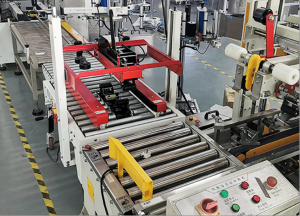
Food and beverage lines combine humid cleaning areas, variable load and frequent start-stop, so sealing and cleaning access matter as much as ratio. Image: STARSHINE DRIVE application library.
Textile dyeing and washing
Textile lines run continuously in high temperature and high humidity, with acid-base solvents from the dyeing process and heat radiation affecting the drive. Requirements include high temperature resistance, corrosion resistance through a strong anti-corrosion paint, moisture protection and easy maintenance. Matched equipment includes cotton and cloth guide rollers, washing machines, dyeing machines, wide rollers, hair removal devices and X-Y plaiters. The NCJ Series Helical Gearmotor and the R/F/K/S Series Helical Gearmotors are the applicable families here.
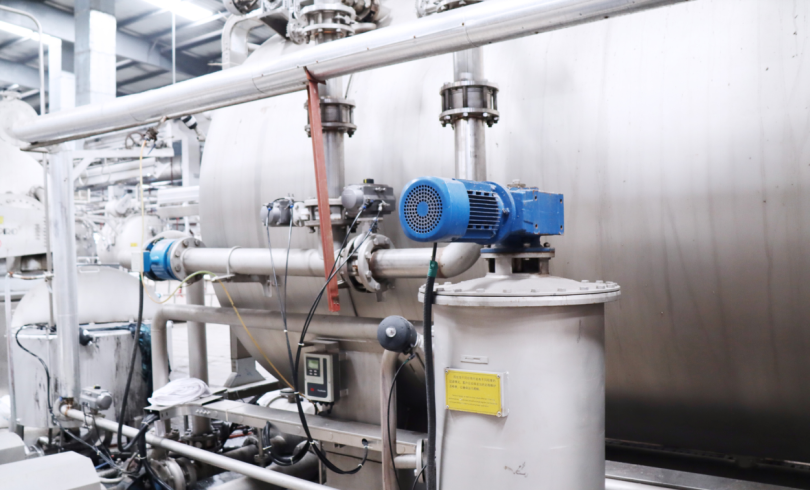
Dyeing lines combine heat, humidity and chemical exposure; the paint system and sealing are specified for the process, not for the hall. Image: STARSHINE DRIVE application library.
Woodworking planing, sanding and edge banding
Woodworking is continuous operation in a high-dust environment at normal temperature, with variable load and a precision motion requirement on the tooling. Stated requirements are low noise, a high dust protection rating, compact design, easy maintenance and long service life. Matched equipment includes four-sided planers, edge banding machines, sanders, double-end tenoners and CNC woodworking cutting machines. R/F/K/S Series Helical Gearmotors, Industry Customized Products and the motor and converter range apply.
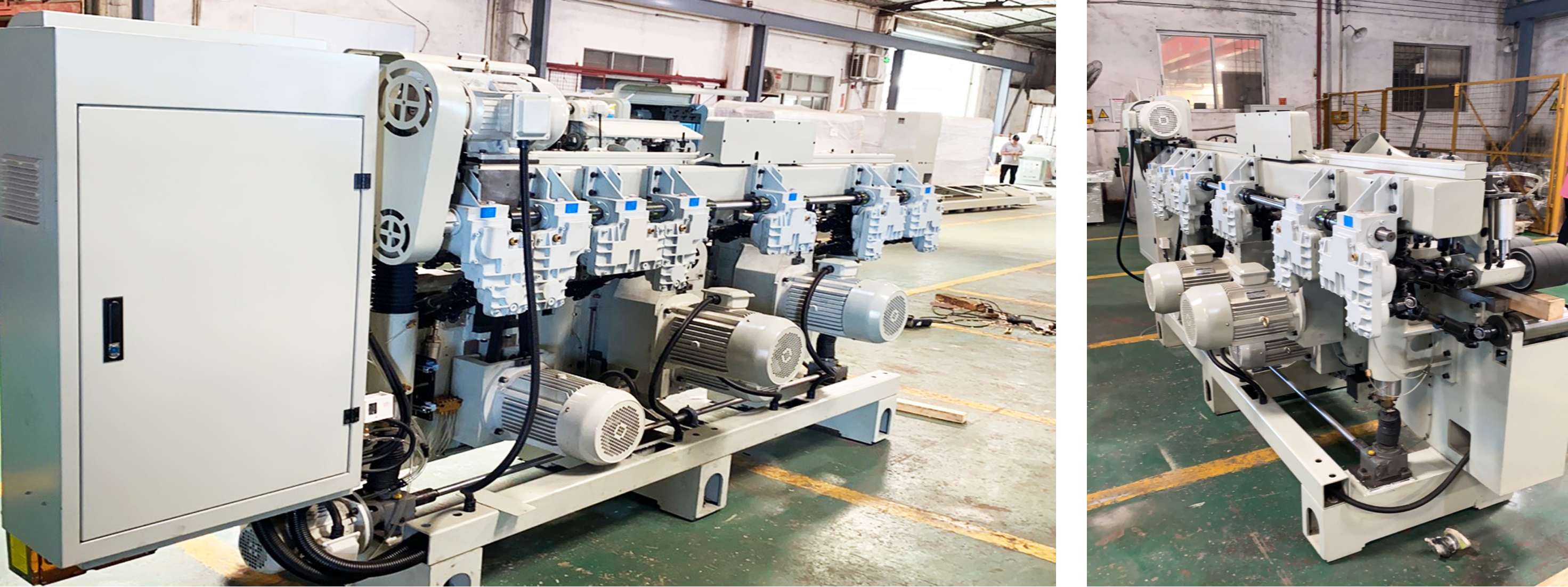
Abrasive wood dust is the dominant condition on planing and sanding stations, which is why the protection rating is specified before the ratio. Image: STARSHINE DRIVE application library.
Grain and oil handling
Grain and oil processing is continuous operation in a high-dust environment at normal temperature with variable load. The requirements are specific: a high dust protection rating, explosion-proof certification, good sealing to prevent material leakage, wear resistance, low noise, long service life and easy maintenance. The processes covered are vertical lifting, horizontal conveying, rotary airlock feeding and grinding or pulverising, with matched equipment including bucket elevators, rotary airlocks, screw conveyors, grinding mills and en-masse conveyors. The applicable products are NCJ Series Helical Gearmotors, R/F/K/S Series Helical Gearmotors and the bucket elevator customized reducer in the Industry Customized Products line.
Ceramic kiln, glazing and polishing
Ceramic production combines high temperature at the kiln section with high dust overall, continuous operation, and humid conditions at stations such as glazing and inkjet printing. Stated requirements include high efficiency, low temperature rise, low noise, easy installation, long service life and a high dust protection rating, with waterproof and moisture-proof protection needed at some stations. Matched equipment includes stirrers, dryers, pre-kilns, kilns, glazing machines, inkjet machines, squaring machines, polishing machines and packing machines. The ceramic kiln dedicated gearbox and high-temperature resistant custom reducer sit in the Industry Customized Products line; the NCJ Series Helical Gearmotor is the general-purpose option on this duty.
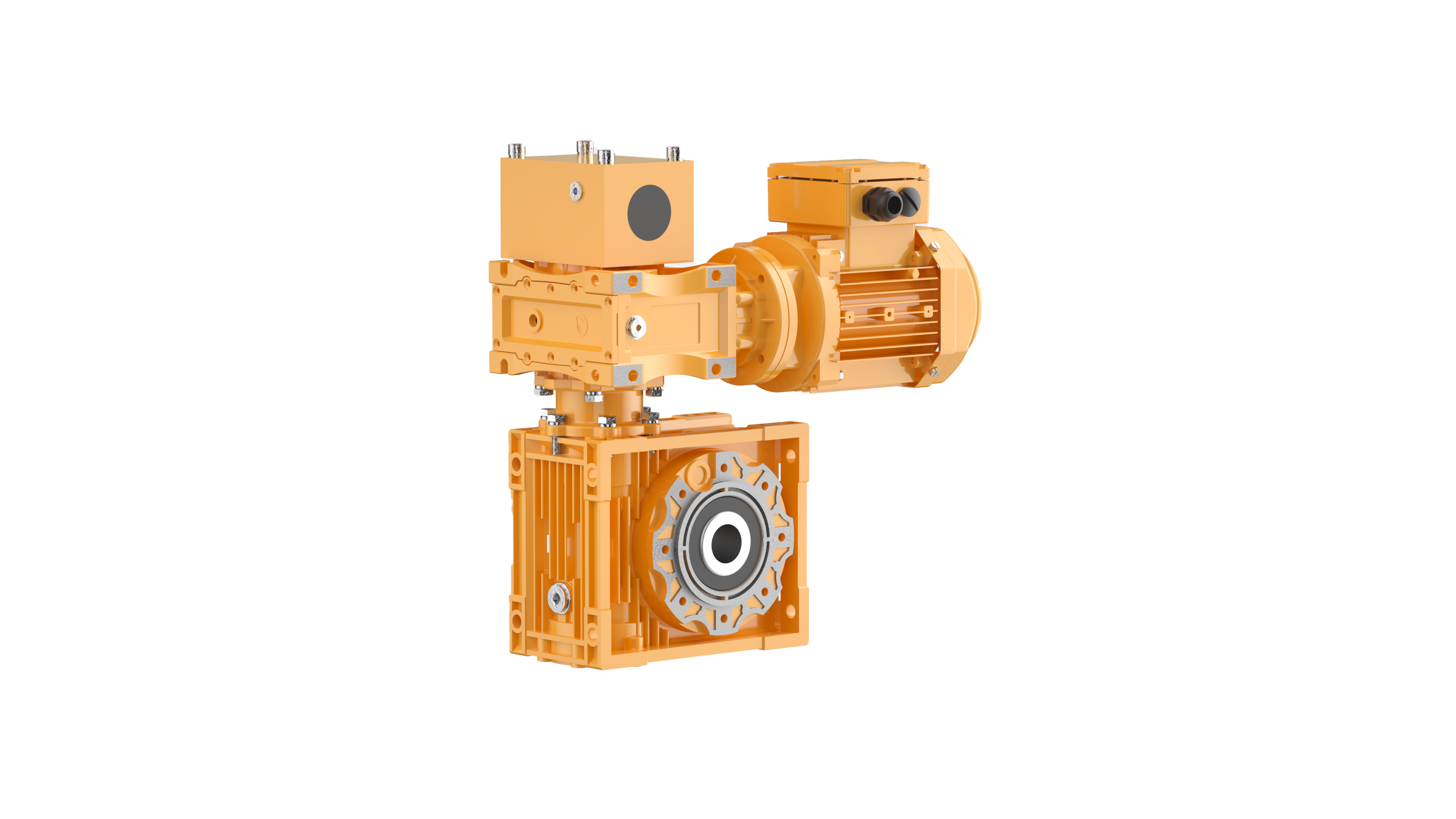
A ceramic industry specific gearbox: kiln-side stations add radiated heat to a high-dust environment, which changes both the oil and the housing specification. Image: STARSHINE DRIVE.
Glass forming and annealing
Glass applications run continuously with high temperature at the melting furnace and annealing lehr, high dust at batching and cutting, variable load and the presence of lubricants or coolants at some stations. Requirements are high temperature resistance against thermal radiation, a high dust protection rating, wear resistance against glass debris, low maintenance frequency, long service life, compact design where space is limited and high reliability for non-stop operation. Matched equipment includes mixers, feeders, calenders for photovoltaic glass, float bath top rollers, annealing lehr roller tables, cutters, edging machines, stackers and washing machines.
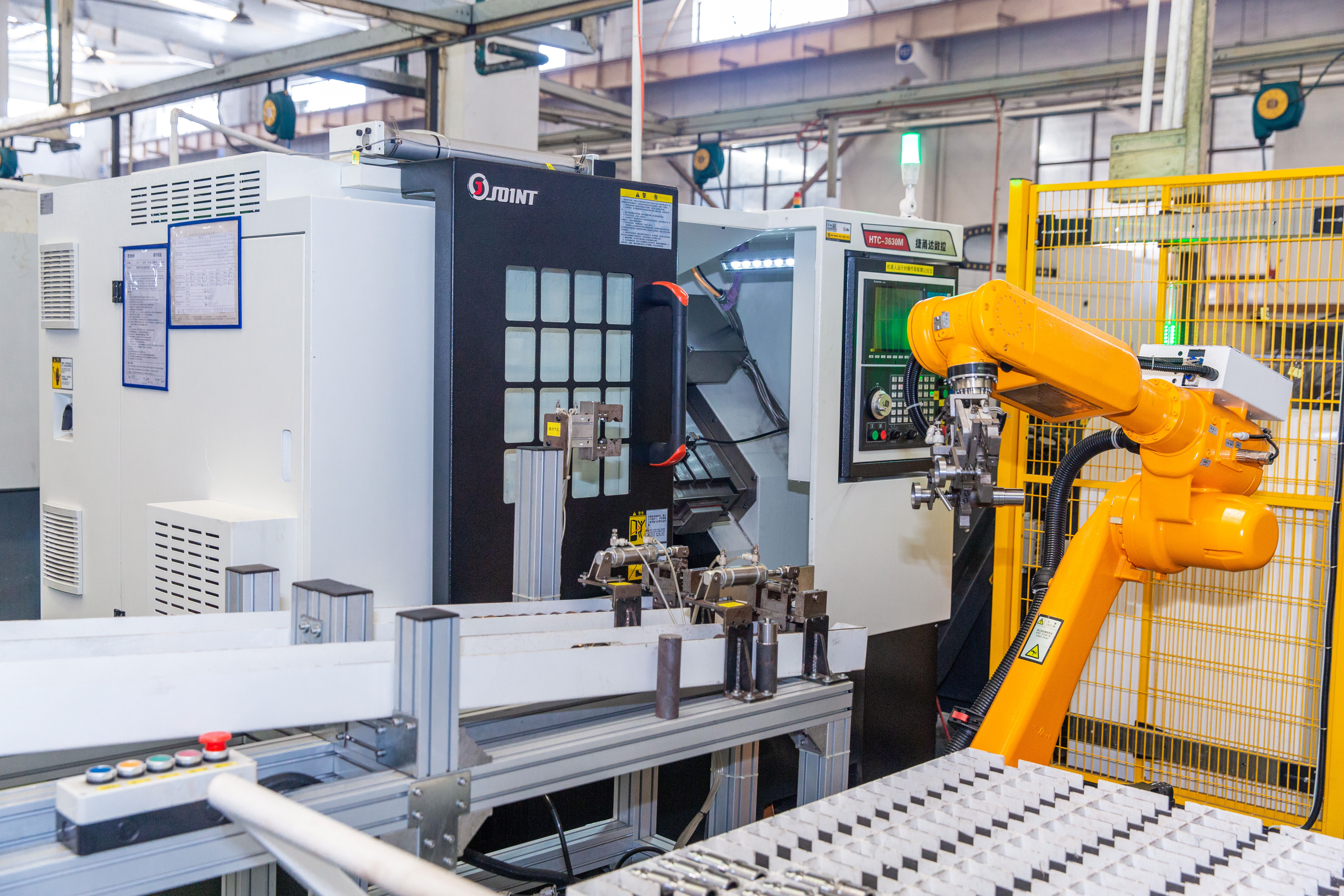
Assembly and testing at the Foshan production base, where the line integrates 100% online air tightness testing, 100% online noise testing and 100% comprehensive motor testing. Image: STARSHINE DRIVE.
Reducer Family Comparison by Duty Profile
| Reducer family | Verified specification points | Duty profile it suits | What to check before ordering |
|---|---|---|---|
| RV Series Worm Gearbox | Aluminium parts; worm shaft in 20CrMnTi with special heat treatment; patented KK alloy copper worm wheel; single-stage ratio up to 100, double-stage up to 10,000; self-locking at i≥60; synthetic worm gear lubricating oil | Right-angle, high-ratio and holding-duty axes; stated applications include stage equipment, door operators and electric power | Thermal build-up on continuous duty, and the ratio relative to the self-locking threshold |
| NCJ Series Helical Gearmotor | Efficiency 92–96%; 20CrMnTi gears with carbonitriding to HRC55–65; wide-frequency motor rated for full loading from 20 Hz to 60 Hz; special oil for 20,000 hours of normal use; NCJT04B/J can replace a 1# cycloidal gearbox | Ceramics, logistics conveying and grain and oil; lines that run slowly for long periods | Whether the actual duty point sits inside the 20,000-hour reference condition |
| R/F/K/S Series Helical Gearmotors | Single-stage efficiency above 96%; single-stage ratio 1.3–289.74; 20CrMnTi gears to HRC55–65; ground gears to grade 6; high-strength cast iron housing; R, F, K and S shaft arrangements | Textile, logistics, new energy, grain and oil; axes needing efficiency plus mounting flexibility | Dust protection and paint system, which are specified separately from the gear data |
| S Series Helical-Worm Geared Motor | Ratio 6.8–288; power 0.12–22 kW; output torque 90–4,000 N·m | Applications needing a right-angle layout with a higher ratio range in one unit | Torque at the actual output speed, not only the nominal range |
| Industry Customized Products | Bucket elevator customized reducer, ceramic kiln dedicated gearbox, high-temperature resistant custom reducer, explosion-proof customized gearbox, corrosion-resistant tailored gearbox | Kiln heat, grain dust with explosion protection, washdown and chemical exposure | Customisation extends the envelope; it does not replace correct duty data |
| Drive components | Integrated servo motors, three-phase asynchronous motors, frequency converters and permanent magnet synchronous motors; parameters configurable to match the reducer and application | Variable-speed axes that need integrated control | Motor and converter matching against the real load profile |
All figures in this table are catalogue or application data published by STARSHINE DRIVE. No prices are stated, because cost depends on configuration rather than on family alone.
Frequently Asked Questions
Which standards and certifications apply to a reducer project?
EN ISO 12100:2010 is the harmonised Type-A safety standard that provides general principles and a methodology for risk assessment and risk reduction in machinery design, including gear reducers. It structures hazard identification rather than prescribing a specific gearbox design. On the supply side, STARSHINE DRIVE states that its products comply with international and domestic standards such as ISO, CE and CCC. In practice, the buyer should confirm which declaration applies to the destination market and verify that the rated data used in the selection matches the delivered unit.
Can a reducer be adapted to high temperature, high dust or washdown conditions?
Yes, through the customized product line, which covers a bucket elevator customized reducer, a ceramic kiln dedicated gearbox, a high-temperature resistant custom reducer, an explosion-proof customized gearbox and a corrosion-resistant tailored gearbox. Materials are also configurable: motor housings can be die-cast aluminium or cast iron, motor shafts 45# steel or 40Cr alloy steel, with corrosion-resistant and high-temperature-resistant options for special environments. The limiting factor is data quality, not availability: adaptation works when the actual temperature, dust class, chemical exposure and duty cycle are known.
What drives the cost difference between two reducers with the same ratio?
Cost generally tracks configuration rather than ratio alone. The relevant variables are the number of stages (the RV Series Worm Gearbox reaches 100 in single stage and 10,000 in double stage), housing material, gear material and heat treatment such as 20CrMnTi carbonitrided to HRC55–65 and ground to grade 6, lubricant specification, protection rating and paint system, and whether the unit is customised for temperature, explosion protection or corrosion. Integrating a motor and converter adds a further variable. Two gearboxes with identical ratio can therefore differ substantially in cost, which is why a duty-profile-based quotation is more useful than a price per ratio.
Can I validate a selection before committing to a production order?
Yes. STARSHINE DRIVE provides professional selection and customized development support, so the practical next step is to send the duty profile and request a sample or a quotation. The company can be reached at jessica@xgcd.cn or by phone and WhatsApp on +8615899805924, and the full product catalogue is available as a PDF download from the link at the end of this article.
How is delivery handled for European and North American buyers?
STARSHINE DRIVE operates an assembly plant in Vienna, Austria, which handles localised assembly, warehousing and distribution, and technical service for the European market; the plant shortens delivery cycles for European clients and provides localised technical support. Manufacturing runs from a 53,333.33 m² facility with approximately 400 staff, of whom over 70% are production technicians, and an annual capacity of 500,000 units or sets. Main markets are Southeast Asia, Europe and North America, and products and services reach more than 30 countries and regions.
Conclusion: Specify the Condition, Then the Gearbox
Reducer problems that look like quality problems are mostly condition mismatches: radiated heat that the oil was not chosen for, dust that the protection rating did not exclude, start-stop frequency that the shaft arrangement was not sized for, or a holding requirement that sits below the self-locking threshold. The five-condition filter in this guide (thermal load, contamination and moisture, duty cycle, motion precision and holding, mounting envelope) turns those conditions into specification decisions that can be checked against published data.
For buyers at the research stage, the useful sequence is: write the duty profile, choose the architecture, check the thermal and lubrication case, specify protection and materials, then validate on a sample. Applied in that order, the choice between a worm, helical, helical-worm, planetary, cycloidal or hypoid unit becomes a technical conclusion rather than a preference.
Next step: send the duty profile, get a matched drive
Share the axis description (hours per day, ambient and radiated heat, dust and moisture, holding requirement, mounting space) with the STARSHINE DRIVE team and request a selection proposal or a sample for validation.
Email: jessica@xgcd.cn | Phone / WhatsApp: +8615899805924 | Website: www.ssdreducer.com
Download the full catalogue (PDF): STARSHINE DRIVE product catalogue
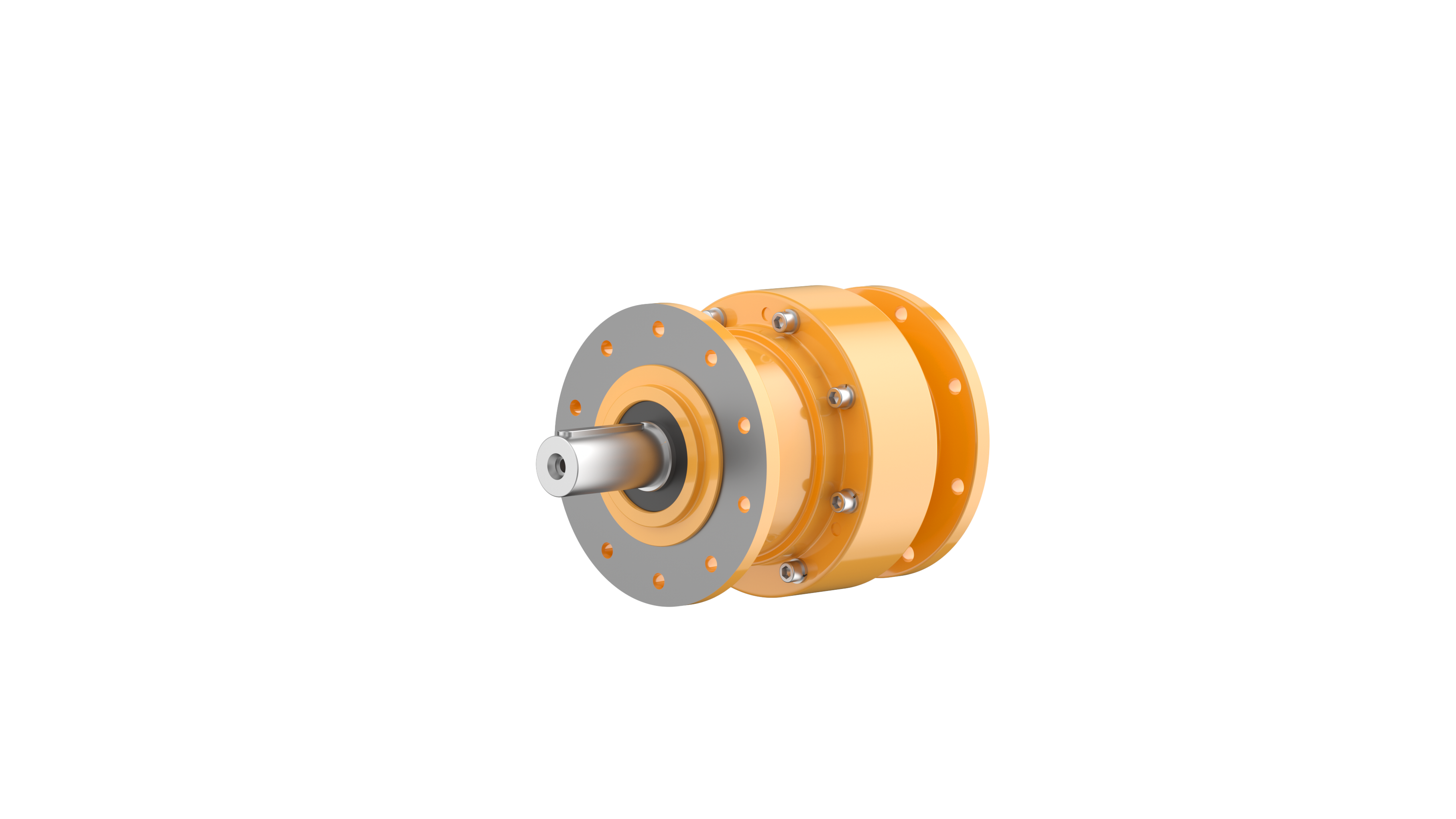
Planetary units are the fastest-growing segment of the industrial gearbox market, and sit alongside worm, helical and helical-worm families in the STARSHINE DRIVE range. Image: STARSHINE DRIVE.
Have Questions or Need More Details?
Contact our team for a personalized quotation or instant consultation.
Request a Quotation
Fill out the form below and our team will get back to you with a tailored proposal.
WhatsApp Direct Chat
Prefer to chat in real-time? Message us on WhatsApp for instant assistance & quick answers.
- Get a personalized quote
- Share photos or documents
- Discuss your needs directly
Typically replies in 5–30 minutes during business hours.