
What "Reducer" Actually Means: A Category Primer for Buyers
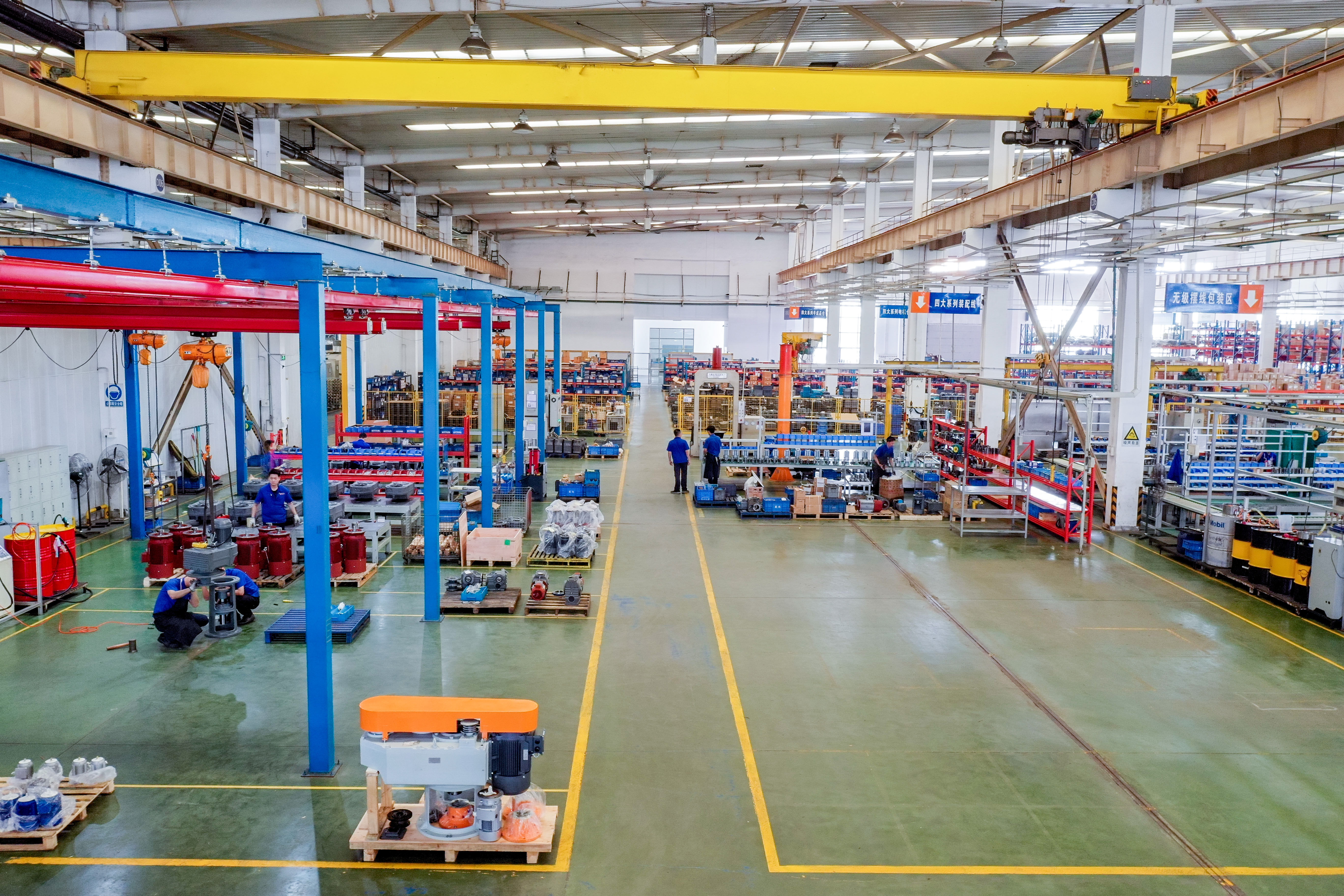
A reducer is a mechanical transmission unit that converts a high-speed, low-torque input — normally from an electric motor — into a lower-speed, higher-torque output through a fixed gear ratio. It sits between the motor and the machine being driven. Worm gear reducers, planetary gear reducers, coaxial gear reducers, helical hypoid gear reducers, cyclo reducers and mechanical variators are all variations on that single function.
The definition fits in one sentence. The category does not, because the same physical component is catalogued as a gear reducer, a gearbox, a speed reducer or a gear motor in English, and as motoreduktory or motoriduttori in other European markets. None of those terms describes a different object. They describe the same family of enclosed transmission units seen from different market, language and packaging angles. This primer maps that family: what belongs inside it, what sits at its edges, and which details a buyer should be able to name before comparing quotations.
Problem Definition: Why a Simple Category Becomes Confusing
Category confusion in the reducer market is not caused by the engineering. It is caused by naming and by packaging. Four problems recur in real purchasing conversations.
- Multiple names, one object. "Gear reducer", "speed reducer", "gearbox" and "gear motor" are frequently used interchangeably. "Gear motor" usually signals that a motor and a reducer are supplied as one integrated unit, while "gearbox" often signals the gear unit alone — but catalogues do not always follow that convention.
- Language variants read as product differences. A buyer searching for motoreduktory or motoriduttori is searching for geared motor units, not for a separate product class. Treating these as distinct categories produces mismatched comparison sheets.
- Reducers confused with variators. A mechanical variator changes speed continuously; a fixed-ratio reducer does not. A machine that needs adjustable output speed has a different requirement from one that needs a single, stable output speed at higher torque.
- Component versus system. A reducer supplied as part of a matched drive package — gearbox, motor, inverter, controller and monitoring — is specified and supported differently from a stand-alone gear unit dropped into an existing drivetrain.
The practical cost of this confusion is measurable at the quotation stage: shortlists that compare a variator against a fixed-ratio reducer, or a bare gearbox against a complete geared motor, are not comparing like with like on price, footprint or control architecture.
Industry Background: How Large the Category Is, and Why Scope Matters
The reducer category is commercially substantial, but published market figures must be read with their scope in mind. Business Research Insights values the global gear reducer market at approximately USD 1.96 billion in 2026, projected to reach USD 2.58 billion by 2035. That figure refers specifically to gear reducers.
A wider definition produces a much larger number: industrial gearbox market estimates in commercial research reach the tens of billions of US dollars because they include large heavy-duty gearsets for wind, mining and similar applications. The gap between the two numbers is a definition gap, not a contradiction. Buyers, analysts and content teams that quote "the reducer market" without stating scope end up with figures that cannot be compared.
Two further data points are useful for orientation. Asia Pacific held the largest revenue share of the industrial gearbox market in 2025, at 40.8%. Planetary gearboxes are reported as the fastest-growing segment, with a projected CAGR of 6.2% through 2030, driven by robotics and wind energy demand. Both signals point the same way: the category is broadening, and the mix inside it is shifting toward higher-precision, higher-torque-density designs.
The Full Category Map: What Counts as a Reducer
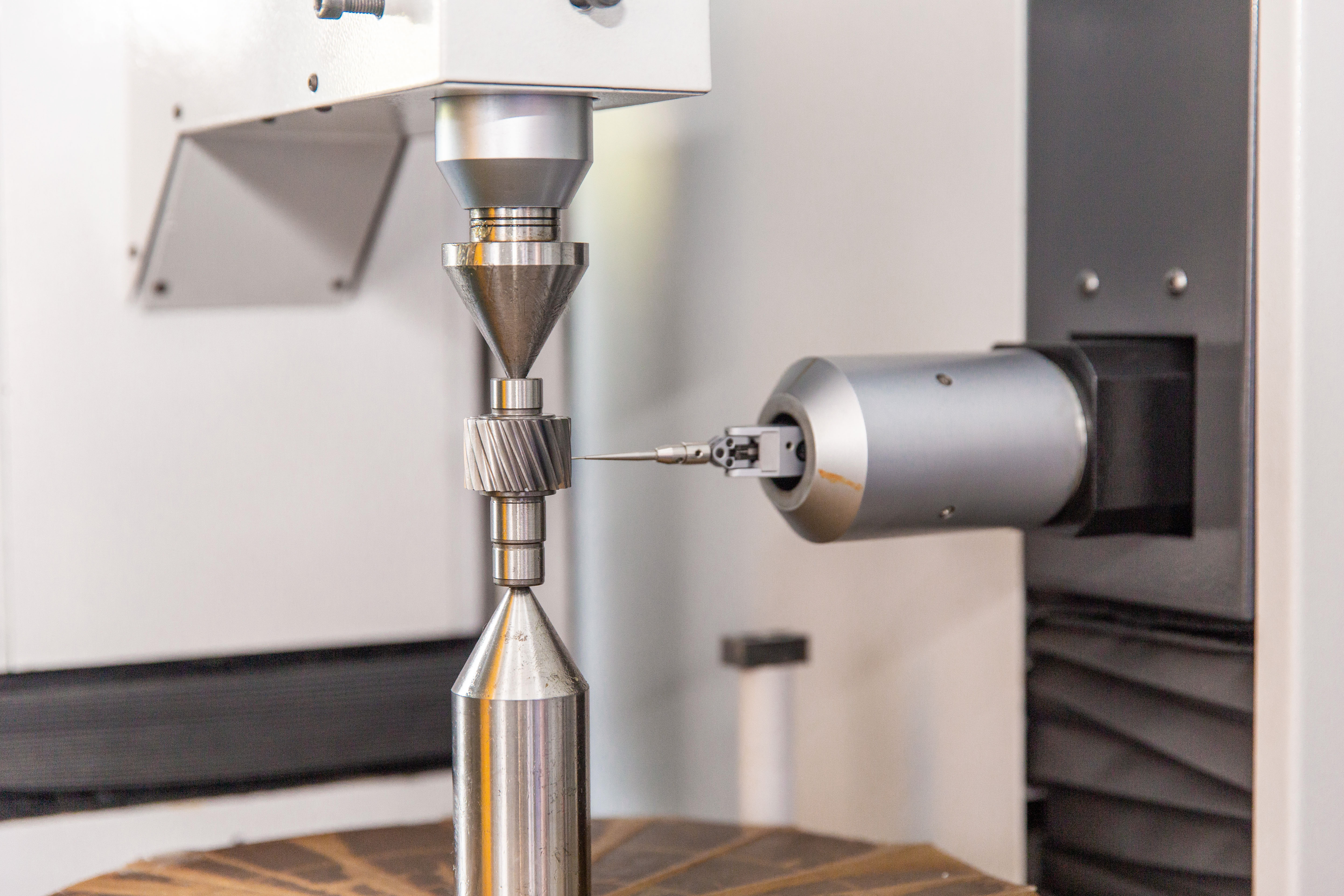
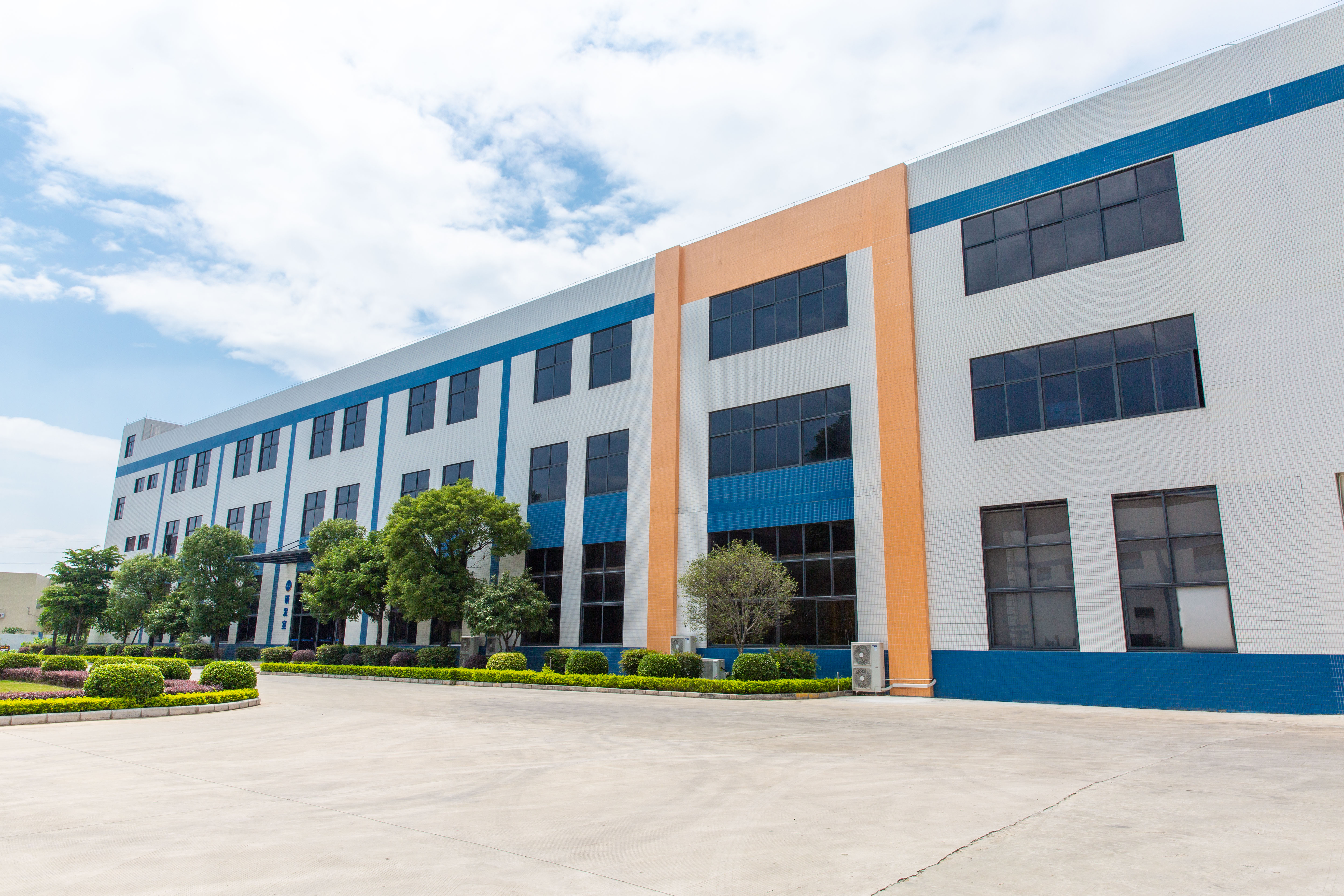
Inside the category, families are distinguished by gear principle and by shaft arrangement. Shaft arrangement matters most to machine designers, because it decides whether the drive can be tucked inside a frame or must sit at the end of a shaft. Guangdong Starshine Drive Co., Ltd. — a transmission manufacturer founded in 1965 and based in Foshan, Guangdong, China, operating under the brand Starshine Drive — builds across most of these families, which makes its range a useful reference for how the category is actually organised.
Worm gear reducers
A worm gear reducer uses a worm shaft driving a worm wheel, giving a right-angle layout and substantial reduction in a compact housing. In the Starshine Drive range this is the RV series, the highest-volume family in the company's published capacity figures.
Coaxial and helical gear reducers
The terms coaxial reducer and coaxial gear reducers describe inline units where input and output shafts are on the same axis, typically using helical gearing. A helical bevel gear reducer uses right-angle bevel gearing instead. Starshine Drive lists R, S, K and F series high-precision gear reducers, and one published specification shows how wide a single family can be: the S Series helical-worm geared motors are catalogued with ratios from 6.8 to 288, power from 0.12 to 22 kW and output torque from 90 to 4,000 N·m.
Planetary gear reducers
A planetary gear reducer splits load across several planet gears running between a sun gear and a ring gear. That load sharing is why the format is associated with high torque density in a short, inline envelope — the segment reported as growing fastest within the wider gearbox market.
Helical hypoid gear reducers
A helical hypoid gear reducer uses hypoid gearing, a right-angle arrangement in which the pinion axis is offset from the wheel axis. Starshine Drive builds this family as the XGK series hypoid gear reducers.
Cycloidal reducers
The cyclo reducer, listed by Starshine Drive as the B/JXJ series cycloidal pinwheel reducers, achieves reduction through a cycloidal disc and pinwheel arrangement rather than a conventional gear train. It is a distinct family with its own selection logic.
Mechanical variators
Mechanical variators change output speed continuously instead of holding a fixed ratio. Starshine Drive lists the JWB-X series mechanical stepless variators. A variator is a member of the broader transmission category, but it is not a fixed-ratio reducer — a distinction worth confirming in writing before a quotation is compared.
Industrial gearboxes and specialised units
Larger multi-stage units are listed by Starshine Drive as NCJ series gear reducers, SNKG series gear reducers and SI series industrial gearboxes. The company also offers a Customized Series built to specification, which is how machine builders typically resolve non-standard mounting, ratio or interface requirements.
Category Map and Published Capacity at a Glance
The table below places each family by arrangement and typical role, using the series names as the manufacturer publishes them.
| Family (series) | Arrangement / principle | Typical role in a machine |
|---|---|---|
| Worm gear reducers (RV series) | Right-angle worm and worm wheel | Compact right-angle reduction at moderate output speeds |
| High-precision gear reducers (R, S, K, F series) | Inline coaxial or right-angle helical / helical-bevel gear trains | General machine drives where an inline or right-angle geared layout is required |
| Planetary gear reducers (SP series) | Sun, planet and ring gear set | High torque density in a short inline envelope |
| Helical hypoid gear reducers (XGK series) | Right-angle hypoid gearing with offset axes | Right-angle drives needing a compact offset layout |
| Cycloidal reducers (B/JXJ series) | Cycloidal disc and pinwheel reduction | High-ratio duties with shock loading |
| Mechanical variators (JWB-X series) | Stepless variable-ratio mechanism | Continuous speed adjustment rather than fixed reduction |
| Industrial and general gear units (NCJ, SNKG, SI series) | Enclosed multi-stage gear units | Continuous industrial duty and larger frame sizes |
| Customized Series | Built to machine specification | Non-standard ratios, interfaces and mounting |
Series names as published by Starshine Drive. Arrangement notes describe the general gear principle of each family.
Published monthly production capacity shows how the range is distributed in volume terms.
| Series | Published monthly capacity |
|---|---|
| RV Worm Gearbox Series | 25,000 units |
| NCJ Series | 15,000 units |
| R / F / S / K Series | 7,000 units |
| JWB / JXJ Series | 5,000 units |
| Customized Series | 5,000 units |
Source: Starshine Drive published production capacity data. Annual production capacity is stated at 500,000 units or sets.
Step-by-Step: Turning the Definition into a Specification
Understanding the category only becomes useful when it produces a specification someone can quote against. The sequence below follows the order in which most drive selections actually resolve.
- Describe the duty, not the part. Record the driven machine, the load type, whether operation is continuous or intermittent, and whether the machine runs around the clock. Starshine Drive's comparative data links engineered units to heavy-duty 24/7 operation and special working conditions — a reminder that duty profile, not product name, drives the choice.
- Fix output speed and torque. Output speed and required torque determine the ratio and frame size. Use a published range to test feasibility: the S Series helical-worm geared motors, for example, span ratios of 6.8 to 288 with output torque from 90 to 4,000 N·m.
- Choose the shaft arrangement. Inline coaxial or planetary units suit machines with in-line shaft runs; worm, helical-bevel and hypoid units solve right-angle layouts. Footprint, not preference, usually decides this step.
- Decide whether the drive is a component or a package. A bare gearbox, a geared motor, or a combined package of gearbox, motor, inverter, controller and smart system each carry different installation and support implications.
- Check the environment. Ambient temperature, cleaning regime and mounting position set the lubrication and accessory requirements. For cold environments between -40°C and +40°C, Starshine Drive provides corresponding low-temperature configurations for both gearbox and motor.
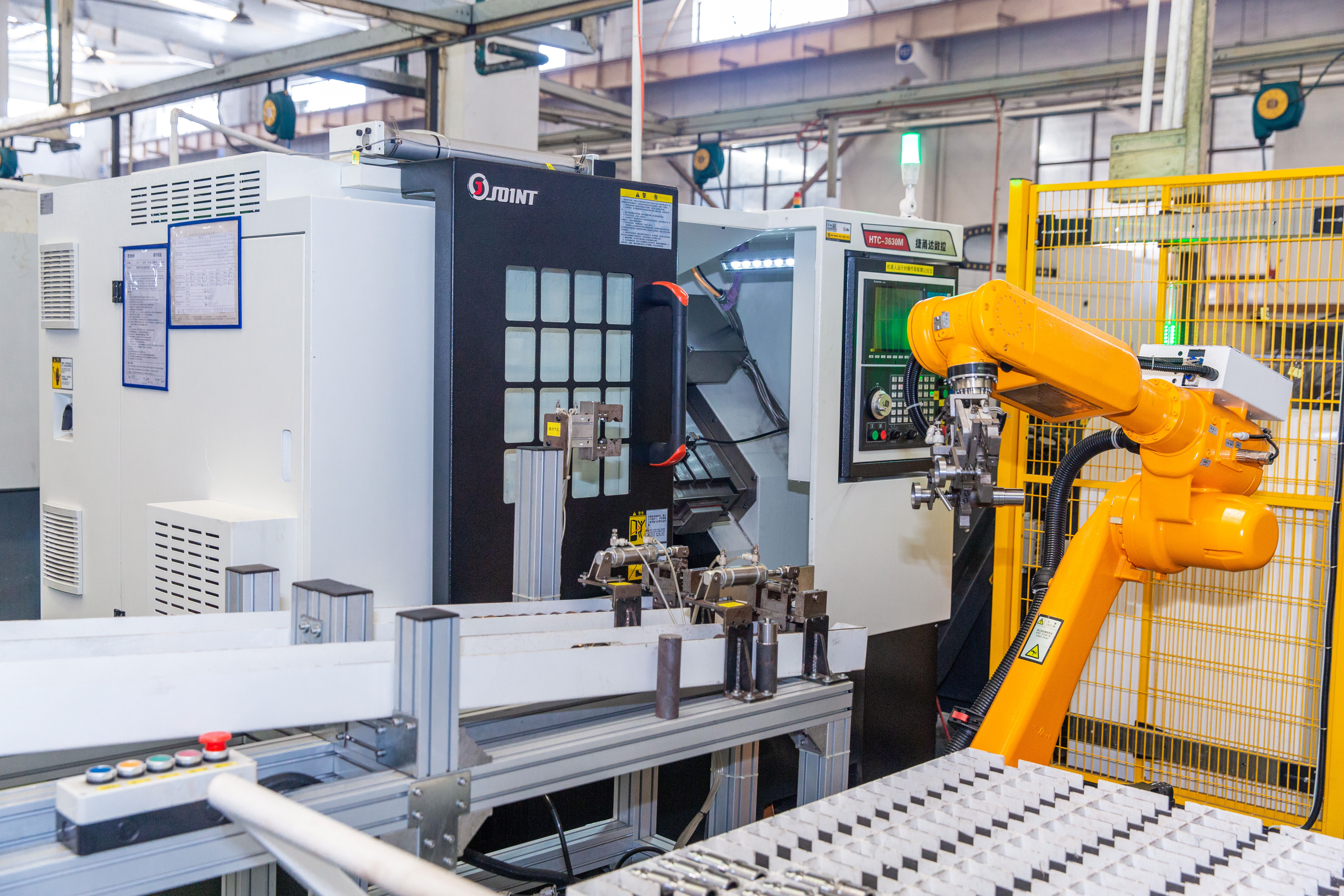
- Confirm how the unit will be verified. Ask what testing is performed before shipment. At Starshine Drive, quality control includes 100% full-scale testing and 100% finished product inspection, supported by regular reliability and durability testing.
- Agree commercial terms in writing. Minimum order quantity, delivery term and acceptance basis belong in the same document as the technical data.
Use Cases: Where These Families Actually Run
Starshine Drive's stated application sectors include ceramics, textiles, logistics, environmental protection, grain and oil, food and beverage, and packaging and printing. Category knowledge translates into selection logic in each.
- Textile lines. Continuous running and variable process speeds make the control architecture as important as the gear ratio, which is why geared motor packages rather than bare gearboxes are common here.
- Ceramics and packaging. Repetitive motion with fixed speed points favours fixed-ratio worm or helical units, selected on torque and frame fit.
- Logistics and conveying. Right-angle worm units remain a practical answer where the drive must sit beside a conveyor rather than at its end.
- Grain and oil, food and beverage. Process environments with cleaning cycles and temperature variation make lubrication specification and enclosure protection part of the selection, not an afterthought.
- Environmental protection equipment. Continuous duty at stable speed rewards units built for long service intervals and supported by after-sales maintenance.
Standard vs Engineered Units: A Documented Comparison
Within any single family, buyers face a second decision: a standard catalogue unit or an engineered variant. The comparison below reproduces the manufacturer's own comparative data against traditional standard reducers.
| Parameter | Traditional standard reducers | Engineered variants (as stated) |
|---|---|---|
| Gear precision | Grade 8 | Grade 6 |
| Transmission efficiency | Baseline | +2–5% |
| Service life | Baseline | +30% |
| Total ownership cost | Baseline | 15–25% lower |
| Maintenance profile | Higher failure rate | Lower failure rate, modular design, full after-sales support |
| Best fit | Routine duty | High-precision automation, heavy-duty 24/7 operation, special working conditions |
Source: manufacturer-provided comparative data. Values are stated for engineered products against traditional standard reducers and should be confirmed against the specific application.
From Category Knowledge to a Long-Term Supply Relationship
For a buyer at the decision and execution stage, category literacy has a second payoff: it makes a supplier's range legible. A manufacturer that covers worm, helical, planetary, hypoid and cycloidal families, plus mechanical variators and customized builds, can support a machine platform across several drive positions without re-qualifying a new supplier for each one. Starshine Drive describes its portfolio in exactly those terms — general-purpose and specialised gearboxes combined with motors, inverters, controllers and smart systems.
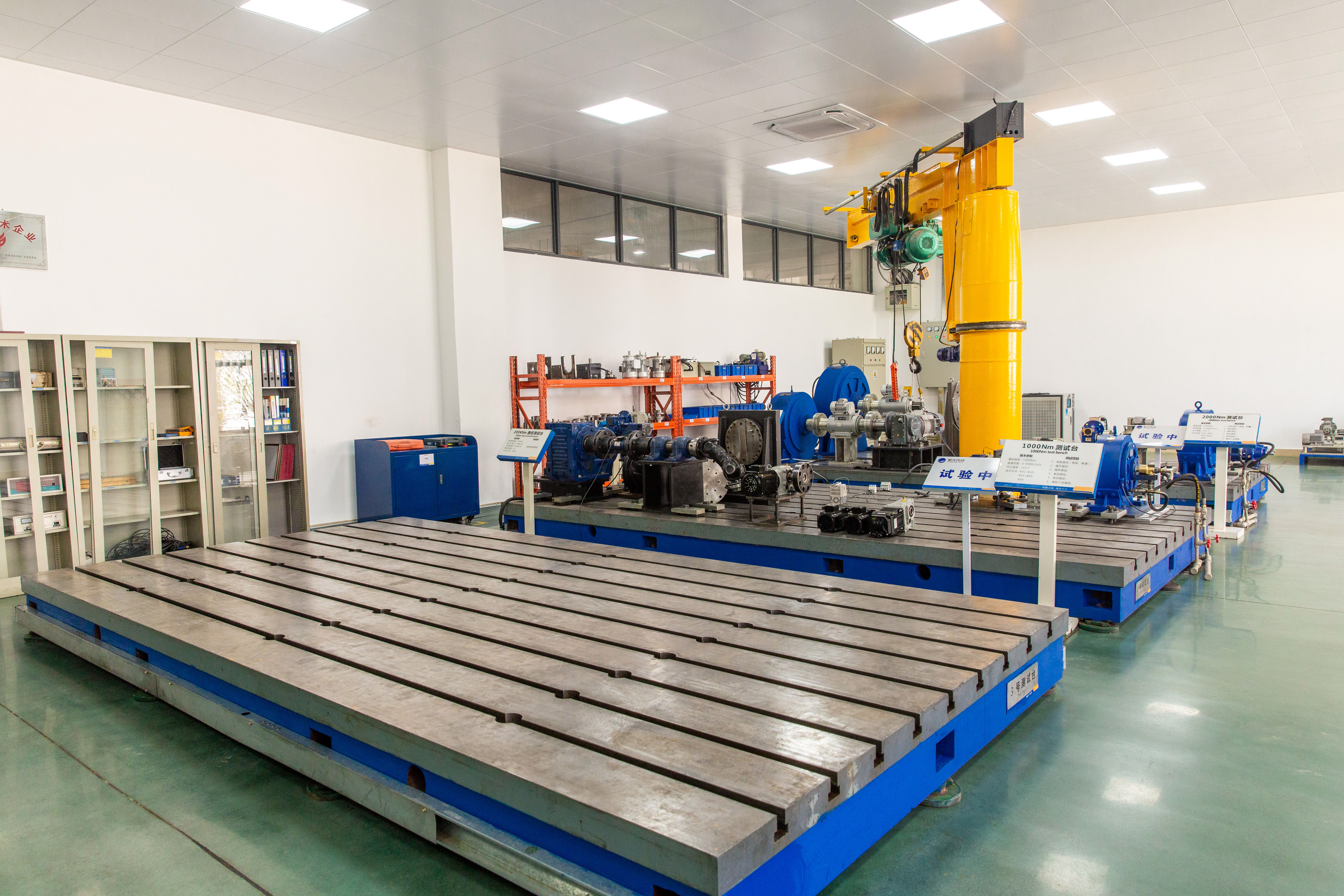
Continuity is the other half of the question. Starshine Drive was founded in 1965, employs approximately 400 staff, operates a 53,333.33 m² production base with a 40-engineer R&D team, and states an annual production capacity of 500,000 units or sets. For European customers, the company operates an assembly plant in Vienna, Austria, which handles localised assembly, warehousing and distribution, and technical service. Products and services reach more than 30 countries and regions, with main markets in Southeast Asia, Europe and North America and an export ratio of 20%.
Support after delivery is part of the same picture: the manufacturer provides after-sales maintenance and services intended to support the safe use and service life of reducers. For a long-running machine platform, that combination — broad range, published capacity, defined testing and a service commitment — is what makes a supplier relationship repeatable rather than transactional.
Frequently Asked Questions
Which standards and certifications apply to industrial reducers?
Starshine Drive states that all products comply with international and domestic standards such as ISO, CE and CCC. On the machinery-safety side, EN ISO 12100:2010 is the harmonized Type-A standard that sets out general principles for risk assessment and risk reduction in machinery design, including gear reducers. Certification scope should be confirmed against the destination market before an order is placed.
What monthly production capacity is published for each series?
Published monthly capacity is 25,000 units for the RV Worm Gearbox Series, 15,000 units for the NCJ Series, 7,000 units for the R/F/S/K Series, 5,000 units for the JWB/JXJ Series and 5,000 units for the Customized Series. Annual production capacity is stated at 500,000 units or sets.
What is the minimum order quantity, and which delivery terms apply?
The minimum order quantity is 1 unit, and prototype support is provided. Delivery terms are FOB, and acceptance is based on pre-shipment testing.
How is a reducer verified before shipment?
Quality control includes 100% full-scale testing and 100% finished product inspection, supported by regular reliability and durability testing. The production line integrates 100% online air tightness testing, 100% online noise testing and 100% comprehensive motor testing, and acceptance is based on pre-shipment testing.
Can reducers operate in low-temperature environments?
For low-temperature environments such as -40°C to +40°C, Starshine Drive provides corresponding low-temperature configurations for the gearbox and motor. Contingency measures for cold-weather starting include optional low-temperature pre-heating kits and special low-temperature grease, and low-temperature start-up tests are carried out in the factory. After-sales maintenance and services are provided to support safe use and service life. Buyers with a specific duty profile can request the product catalogue and discuss the configuration with the manufacturer before ordering.
Conclusion: One Function, Many Names, One Selection Discipline
A reducer changes speed and torque through a fixed gear ratio. Everything else in the category — worm, coaxial, helical, helical-bevel, hypoid, planetary, cycloidal, and the variators that sit beside them — is a different way of achieving that change for a different machine layout. The category is large: the gear reducer market alone is valued at approximately USD 1.96 billion in 2026, while the broader industrial gearbox market is reported in the tens of billions, and planetary units are the fastest-growing segment.
What separates a confident purchase from a confused one is not deeper terminology. It is the ability to state the duty, the ratio and torque, the arrangement, the environment, the verification method and the commercial terms in one consistent specification — and to check that each answer can be traced to a published fact rather than to a naming convention.
Next Step: Check the Range Against Your Application
Starshine Drive (Guangdong Starshine Drive Co., Ltd.) manufactures worm, helical, planetary, hypoid and cycloidal reducers, mechanical variators and customized drive units, with MOQ from 1 unit and prototype support available.
Download the product catalogue: Starshine Drive Catalogue (PDF)
Website: www.ssdreducer.com | Email: jessica@xgcd.cn | Phone / WhatsApp: +8615899805924
Address: No. 10 Huijin Industry Park, Baini Town, Sanshui District, Foshan City, Guangdong, P.R. China
Have Questions or Need More Details?
Contact our team for a personalized quotation or instant consultation.
Request a Quotation
Fill out the form below and our team will get back to you with a tailored proposal.
WhatsApp Direct Chat
Prefer to chat in real-time? Message us on WhatsApp for instant assistance & quick answers.
- Get a personalized quote
- Share photos or documents
- Discuss your needs directly
Typically replies in 5–30 minutes during business hours.