
Reducer Technical Guide: How Ratio, Torque and Customization Are Engineered
Reducer Technical Guide: How Ratio, Torque and Customization Are Engineered
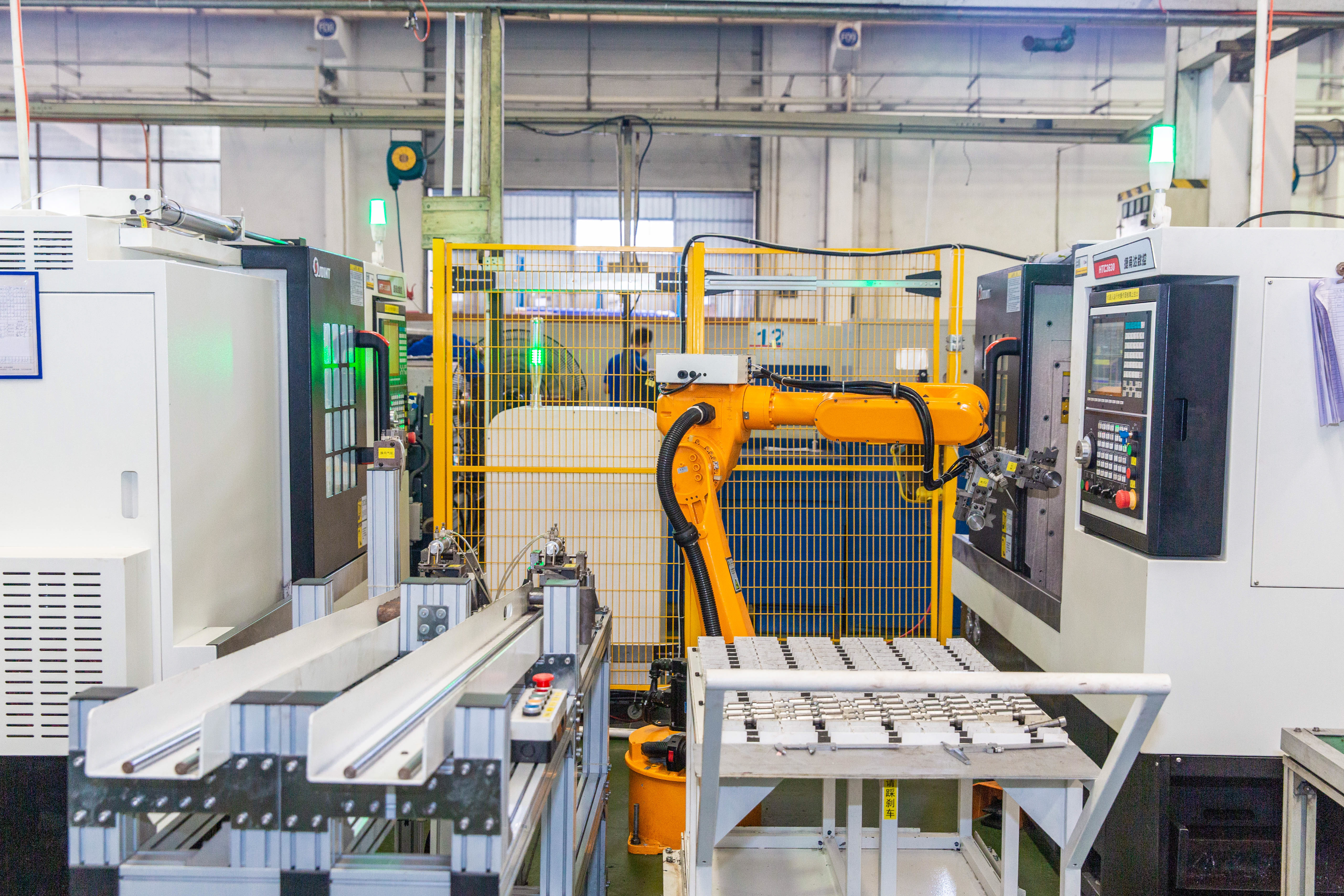
A gear reducer is the mechanical interface between a fast, low-torque power source and a slow, high-torque load. Specifying one is an engineering exercise in matching five variables — gear ratio, output torque, transmission efficiency, duty conditions, and mounting geometry — to a specific machine, not to a catalogue page. This guide explains how those parameters behave across worm, coaxial, helical, planetary, helical-hypoid and cycloidal architectures, and sets out which of them can be engineered to order rather than selected from a standard list.
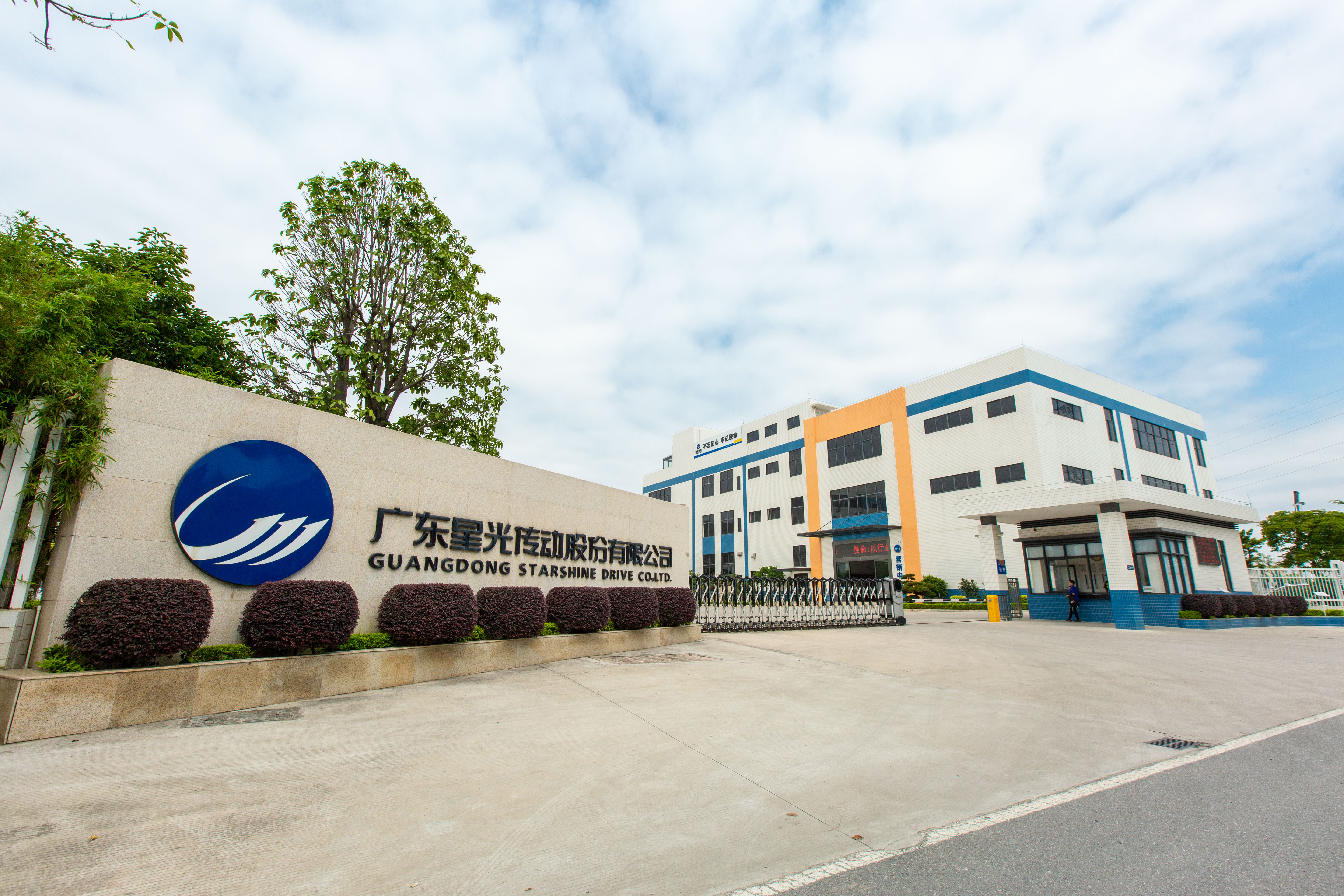
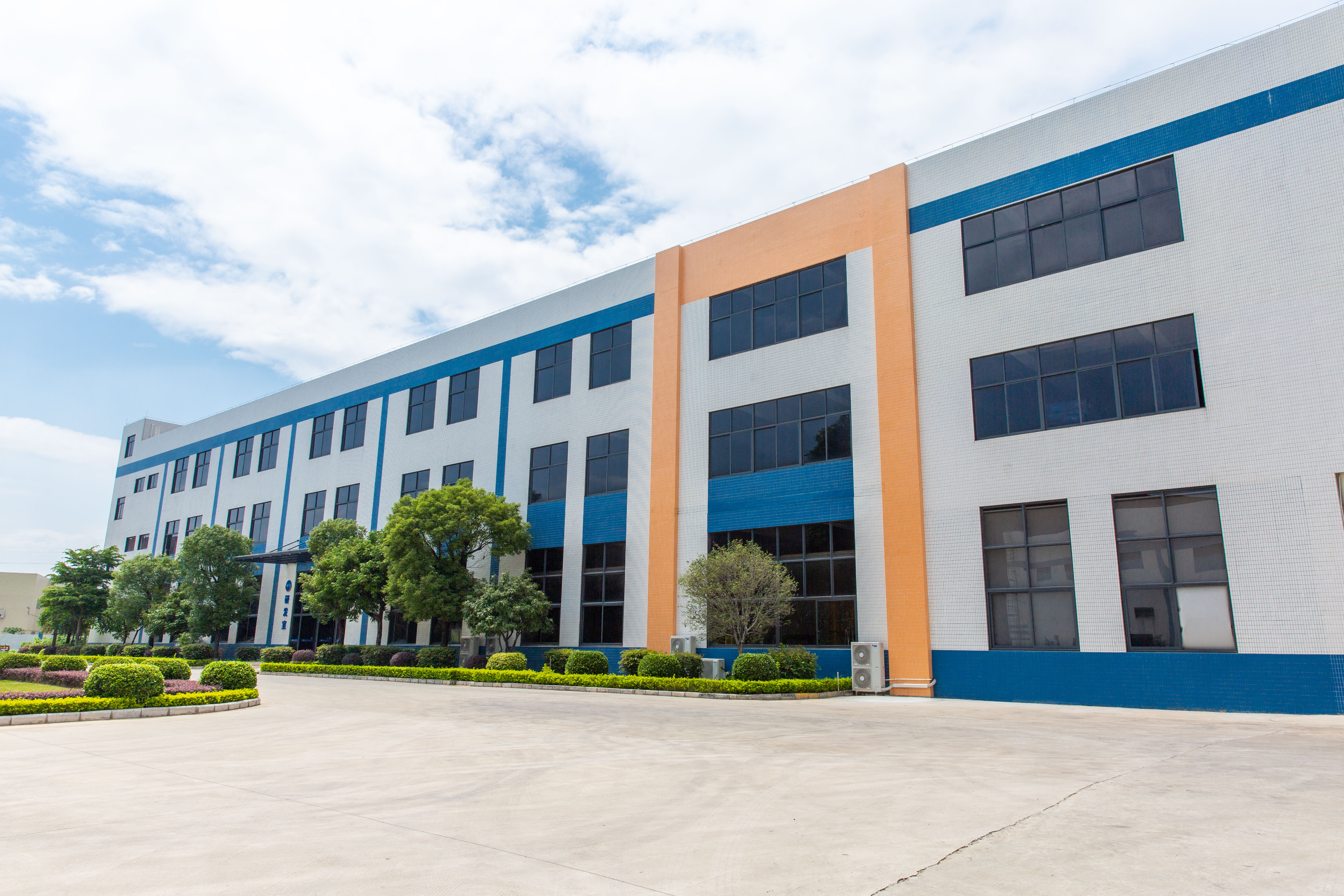
Guangdong Starshine Drive Co., Ltd. (brand: Starshine Drive) is a reducer and variator manufacturer headquartered in the Sanshui District of Foshan City, Guangdong Province, China. Its origins trace to 1965, and it now runs a 53,333.33 m² production base with approximately 400 employees, including a 40-engineer R&D team, producing gear reducers, geared motors, mechanical variators and integrated drive assemblies. Its product information is published at www.ssdreducer.com.
Problem Definition: The Gap Between Motor Nameplate and Machine Load
A reducer fails to perform for one reason more often than any other: the unit was sized against nominal load instead of against the machine's real duty profile. A nameplate lists rated torque, power and ratio at specified conditions. The machine imposes shock loads, start-stop cycles, low-speed running, high ambient temperature, dust, washdown, corrosion, or a mounting orientation that changes lubrication behaviour.
Three mismatches account for most selection errors:
- Torque sized without margin. Continuous running torque and peak starting torque are different numbers. A reducer selected at exactly the continuous load has no reserve for the peaks.
- Thermal and lubrication limits ignored at low output speed. Many gear units are thermally limited rather than mechanically limited, especially when output speed is very low or the ambient temperature is high.
- Materials and sealing not matched to the environment. A standard housing and surface finish rarely survives a corrosive atmosphere, and a standard unit rarely suits an explosion-proof or high-temperature zone.
The practical decision rule is to fix the architecture first, then the ratio, then the torque with margin, and only then verify environment, mounting and lubrication. Buyers who reverse that order usually end up changing scope after the drawings are issued.
Terminology also differs by market, and it affects how a specification is written. Buyers in parts of Central Europe search for motoreduktory; Italian-speaking markets use motoriduttori; a cycloidal pinwheel unit is commonly catalogued as a cyclo reducer; and a belt-and-disc unit is described as one of the mechanical variators. The underlying engineering parameters are the same in each case, which is why a parameter-led specification travels better across borders than a brand-led one.
Industry Background: Where Reducer Demand Is Moving
The global gear reducer market is valued at approximately USD 1.96 billion in 2026 and is projected to reach USD 2.58 billion by 2035, according to Business Research Insights (report dated 2026-07-27). That figure should be read with a scope note: estimates differ sharply depending on what is counted. Grand View Research reports a much larger industrial gearbox category that includes heavy wind and mining gearsets, so the two numbers describe different product boundaries and are not directly comparable.
Regionally, Asia Pacific dominated the industrial gearbox market with a 40.8% revenue share in 2025 (Grand View Research). On the technology side, planetary gearboxes hold roughly 22% share and are described as the fastest-growing segment, with a projected CAGR of 6.2% through 2030 driven by robotics and wind energy (Indastra, Industrial Gearbox Market Outlook 2026–2030, 2026-03-14).
Two practical consequences follow for project buyers. First, architecture choice is becoming a cost decision rather than a preference: high-torque-density planetary and helical units are expanding, while compact self-locking worm units remain the practical answer in low-speed positioning and holding applications. Second, machinery safety documentation is no longer optional. EN ISO 12100:2010 is the harmonised Type-A standard that sets out general principles for risk assessment and risk reduction in machinery design, and gear reducers are part of that assessment scope.
The Technical Parameters That Decide a Reducer's Fit
1. Ratio and stage architecture
Ratio is fixed by input speed divided by required output speed, but the number of stages needed to reach it determines efficiency, backlash, length and cost. Single-stage units are the most efficient and the most compact; multi-stage units reach much higher ratios at the cost of additional meshes.
In Starshine Drive's range, the RV Series Worm Gearbox reaches a single-stage ratio of up to 100 and a double-stage ratio of up to 10,000. The R/F/K/S Series Helical Gearmotors use a finely divided single-stage ratio range from 1.3 to 289.74. The S Series helical-worm geared motor is catalogued across a ratio range of 6.8 to 288. These are different answers to the same question, and the deciding factor is usually whether the application needs a high ratio in one compact housing or maximum efficiency with a wider speed envelope.
2. Output torque and power envelope
Torque, not power, sizes the gear unit. Power is the input-side constraint; output torque determines shaft, bearing and housing selection. The S Series helical-worm geared motor is catalogued with an output torque range of 90–4,000 N·m and a power range of 0.12–22 kW, across frame sizes SHS37 to SHS97.
3. Efficiency
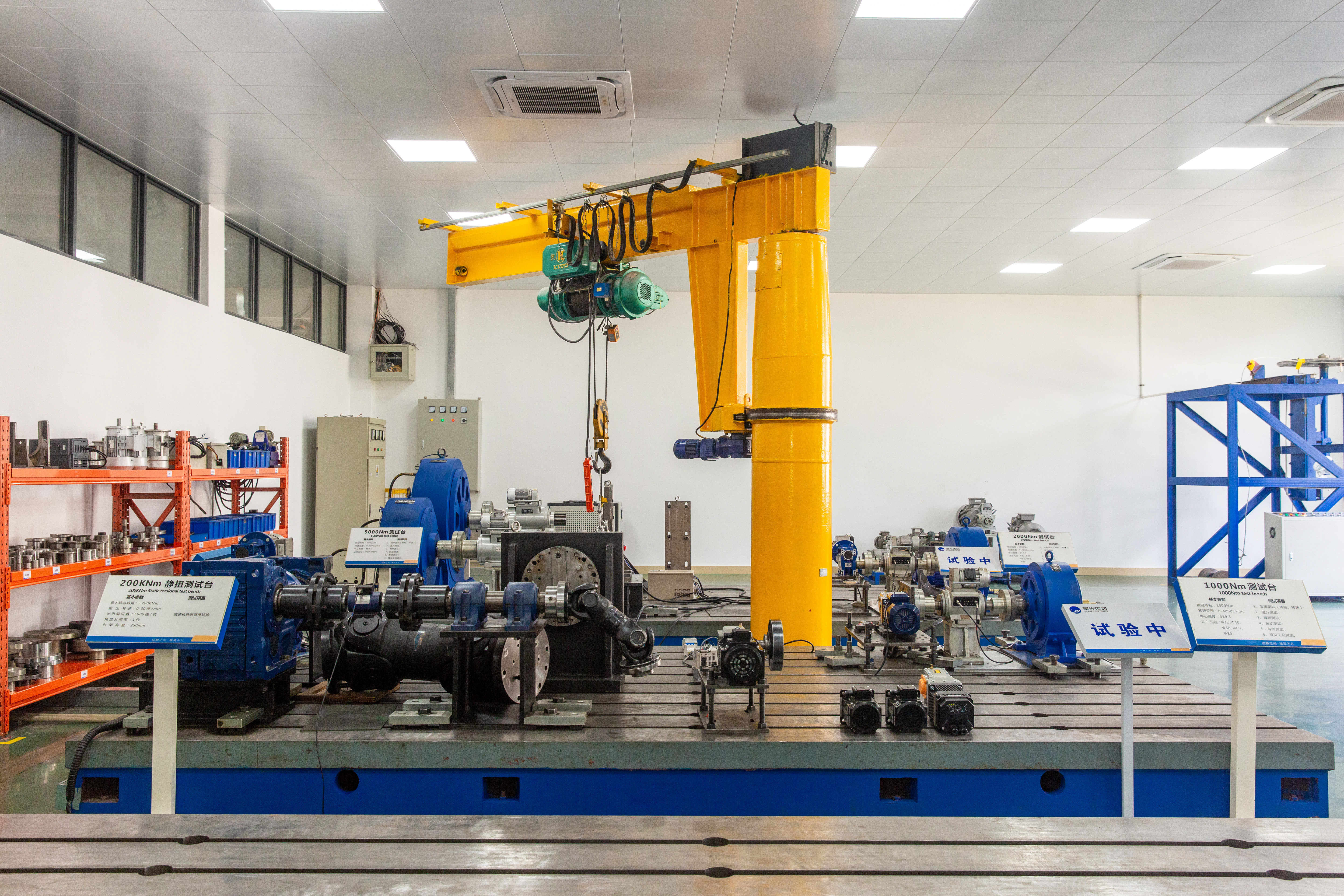
Efficiency separates architectures more clearly than any other single number. The R/F/K/S Series Helical Gearmotors are catalogued with a single-stage efficiency above 96%, and the NCJ Series Helical Gearmotor with 92%–96%. Worm architectures are typically lower in efficiency but gain high single-stage ratios and a self-locking characteristic at high ratios — a trade-off that is often the correct engineering answer for holding loads, door operators and positioning equipment.
4. Materials, heat treatment and gear precision
Service life is set by the metallurgy and finishing behind the ratio. Starshine Drive helical and NCJ gear trains use 20CrMnTi alloy steel for gears with carbonitriding hardening to HRC55–65; R/F/K/S gears are ground to grade 6 accuracy, with high-strength cast iron housings. The RV Series Worm Gearbox uses a 20CrMnTi worm shaft with special heat treatment and a worm wheel cast from KK alloy copper, selected for wear resistance at the sliding contact. Material grade is a specification item, not a marketing detail: it is what determines whether a unit still holds accuracy after several thousand operating hours.
5. Self-locking, lubrication and duty conditions
Worm gearboxes in the RV Series provide a self-locking function at ratios of i ≥ 60. Where an application must hold a load without a brake, that single characteristic can replace a component. Lubrication is the second half of the same decision: RV units use a synthetic worm gear lubricating oil, while the NCJ Series helical gearmotor is filled with a special lubricating oil specified for 20,000 hours of normal use — which converts directly into a maintenance interval rather than a claim.
6. Motor matching and variable-speed integration
Reducer selection is rarely separable from motor and control selection. The NCJ Series helical gearmotor is built around a wide-frequency motor that operates under full loading across 20 Hz to 60 Hz, which matters in lines that run below nominal frequency for long periods. The manufacturer combines these elements as an integrated drive package described as gearbox + motor + inverter + controller + smart system, so a project can be specified as one assembly rather than four interfaces.
Customization Capability: What Can Be Engineered, and What That Changes
Customization is only useful if it is defined. Starshine Drive provides Vertical Customization production services globally, and the parameters open to customization are explicit: reduction ratio, torque, shaft size, installation dimensions, housing material and surface finish. The manufacturer also supports non-standard modification per customer drawings, and offers OEM and ODM services where the design responsibility sits with the buyer or is developed jointly.
Why the customization list matters more than a product list. If a machine frame was designed around an existing gearbox footprint, the limiting factor is rarely ratio — it is shaft size, centre distance and bolt pattern. A supplier that can modify a unit per drawing removes the need to redesign the machine. A supplier that can only offer catalogue dimensions forces it.
The product portfolio behind that capability covers more than a dozen series of general-purpose and specialized gearboxes, including NCJ series gear reducers, R/S/K/F series high-precision gear reducers, RV series worm gear reducers, SP series planetary reducers, SI series industrial gearboxes, SNKG series gear reducers, JWB-X series mechanical stepless variators, B/JXJ series cycloidal pinwheel reducers and XGK series hypoid gear reducers. For buyers comparing architectures — a planetary gear reducer against a coaxial reducer, or a helical bevel gear reducer against a worm unit — this breadth means the recommendation can follow the application rather than the catalogue.
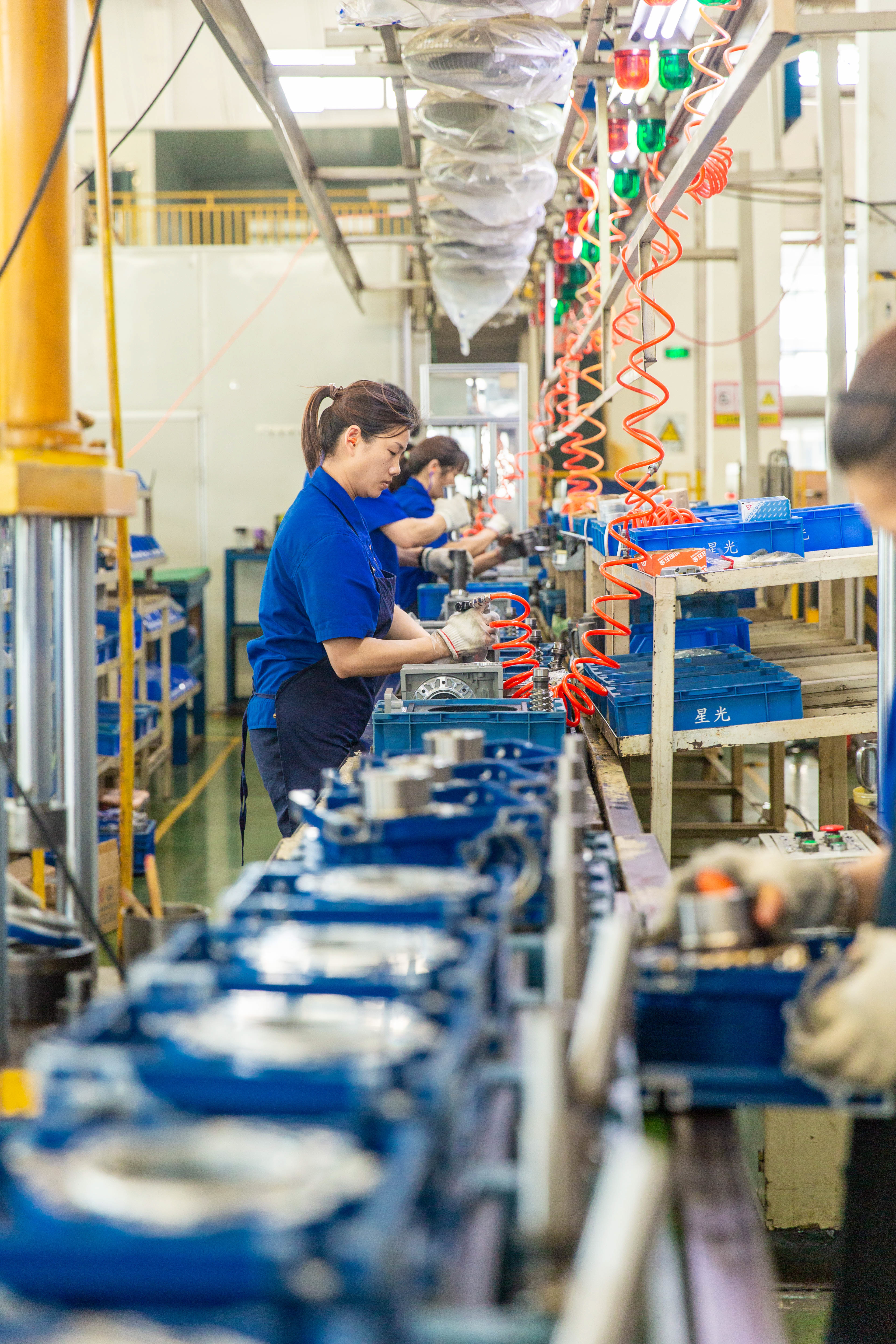
Manufacturing context is part of the assessment. The company employs nearly 400 staff with production technicians accounting for over 70%, maintains a provincial-level engineering technology R&D centre with 40 engineers, and reports an annual production capacity of up to 500,000 units/sets. Series-level monthly capacity is 7,000 units for R/F/S/K, 25,000 for RV worm gearboxes, 15,000 for NCJ, 5,000 for JWB/JXJ, and 5,000 for customized series. It has also participated in drafting national and industry standards and holds recognition as a National High-tech Enterprise.
Step-by-Step: How to Specify a Custom Reducer
- Define the duty profile. Record continuous torque, peak torque, starts per hour, daily running hours, ambient temperature and any shock loading. Everything downstream depends on this document.
- Fix output speed and calculate ratio. Divide input speed by required output speed, then decide whether a single stage is sufficient or whether the ratio must be split across stages.
- Size output torque with margin. Size the unit against the peak, not the average, and confirm the frame's torque rating before confirming the ratio.
- Select the architecture. Worm where high ratio and self-locking at i ≥ 60 are decisive; helical where efficiency above 96% and a wide ratio band from 1.3 to 289.74 matter; planetary or coaxial where torque density and inline mounting dominate; helical bevel or hypoid where the drive must turn a corner; cycloidal where shock resistance is the priority; mechanical variators where stepless adjustment is required.
- Confirm mounting and shaft geometry. Shaft size, installation dimensions and mounting position are customization items, and they are the usual reason a standard unit does not fit.
- Specify materials and finish for the environment. Housing material and surface finish should be stated at the RFQ stage for high-temperature, corrosive, washdown or explosion-proof zones.
- Match motor and control. Confirm the motor's usable frequency band — the NCJ Series motor runs under full loading from 20 Hz to 60 Hz — and confirm inverter and controller compatibility if the drive is supplied as a package.
- Agree the verification method. Confirm 100% full-scale testing, 100% finished product inspection, and a pre-shipment test as the acceptance basis.
- Plan lead time and order size. Minimum order quantity is 1 unit with prototype support; typical production lead time is 7–20 days depending on the product, and 15–45 days for vertical customization projects.
- Confirm after-sales route. Decide in advance whether support will run through remote after-sales assistance or through local dealership services, since the answer affects spares planning.
Use Cases: Where Each Configuration Fits
Ceramics and kiln lines. The NCJ Series helical gearmotor is applied in ceramics, and the NCJT04B/J unit can replace a 1# cycloid gearbox in energy-saving upgrades — a concrete, verifiable replacement path rather than a generic efficiency claim. For kiln-duty positions, a ceramic kiln dedicated gearbox and a high-temperature resistant custom reducer are both available as customized products.
Logistics, conveying and warehousing. Conveyor systems and logistics conveying are core applications for the NCJ Series, where the 20 Hz–60 Hz full-load motor band allows the line speed to be trimmed without changing the mechanical unit.
Textile, new energy, grain and oil. The R/F/K/S Series helical gearmotors are applied in textile, logistics, new energy and grain and oil industries, with single-stage efficiency above 96% and gear grinding to grade 6 supporting continuous duty.
Stage equipment, door operators and electric power. The RV Series worm gearbox is applied in stage equipment, door operator and electric power applications, where the self-locking characteristic at i ≥ 60 supports holding positions without an additional brake.
Bucket elevators, mining, chemical and environmental equipment. Customized gear reducers include bucket elevator units, explosion-proof gearboxes and corrosion-resistant tailored gearboxes, with cast iron and alloy steel construction for metallurgy, building materials, chemical, mining and environmental protection service.
Series Parameter Reference
| Series / architecture | Ratio | Efficiency, power or torque | Key materials and treatment | Notes |
|---|---|---|---|---|
| RV Series Worm Gearbox | Single stage up to 100; double stage up to 10,000 | Not stated in the source data | 20CrMnTi worm shaft with special heat treatment; worm wheel in KK alloy copper; aluminium parts | Self-locking at i ≥ 60; synthetic worm gear lubricating oil; stage equipment, door operator, electric power |
| R/F/K/S Series Helical Gearmotors | Single stage 1.3–289.74 | Single-stage efficiency > 96% | 20CrMnTi gears, carbonitriding to HRC55–65; gear grinding to grade 6; high-strength cast iron housing | Textile, logistics, new energy, grain and oil |
| NCJ Series Helical Gearmotor | Not stated in the source data | Efficiency 92%–96% | 20CrMnTi gears, carbonitriding to HRC55–65 | Wide-frequency motor, full loading at 20–60 Hz; lubricating oil specified for 20,000 hours; NCJT04B/J replaces a 1# cycloid gearbox |
| S Series Helical-Worm Geared Motor | 6.8–288 | Power 0.12–22 kW; output torque 90–4,000 N·m | Not stated in the source data | Frame sizes SHS37–SHS97 |
| Customized / industry gearboxes | To application specification | To application specification | Cast iron, alloy steel | Bucket elevator, ceramic kiln, high-temperature, explosion-proof and corrosion-resistant variants |
Table entries are limited to parameters documented in the manufacturer's catalogue data and in the published verified data set. Where a value is not documented, the cell states so rather than estimating.
Procurement and Customization Matrix
| Evaluation item | Documented practice |
|---|---|
| Minimum order quantity | 1 unit, with prototype support |
| Lead time | 7–20 days typical, depending on the product; 15–45 days for vertical customization projects |
| Customization scope | Reduction ratio, torque, shaft size, installation dimensions, housing material, surface finish; non-standard modification per customer drawings; OEM and ODM services |
| Quality control | 100% full-scale testing; 100% finished product inspection; regular reliability and durability testing; 100% online air tightness, noise and comprehensive motor testing on the line |
| Delivery and acceptance | FOB delivery terms; pre-shipment test as the acceptance basis |
| After-sales | Remote after-sales support and local dealership services; maintenance services to support safe use and service life |
| Export footprint | Products reach over 30 countries and regions; main markets are Southeast Asia, Europe and North America; export ratio 20%; assembly plant in Vienna, Austria; 10+ global assembly centres and 100+ dealer partners |
Compliance: What Should Be Documented Before Ordering
Machine builders increasingly treat safety documentation as part of the drive specification rather than an afterthought. EN ISO 12100:2010 specifies the basic terminology, principles and methodology for achieving safety in machinery design, and a reducer supplied into a European machine is assessed inside that framework.
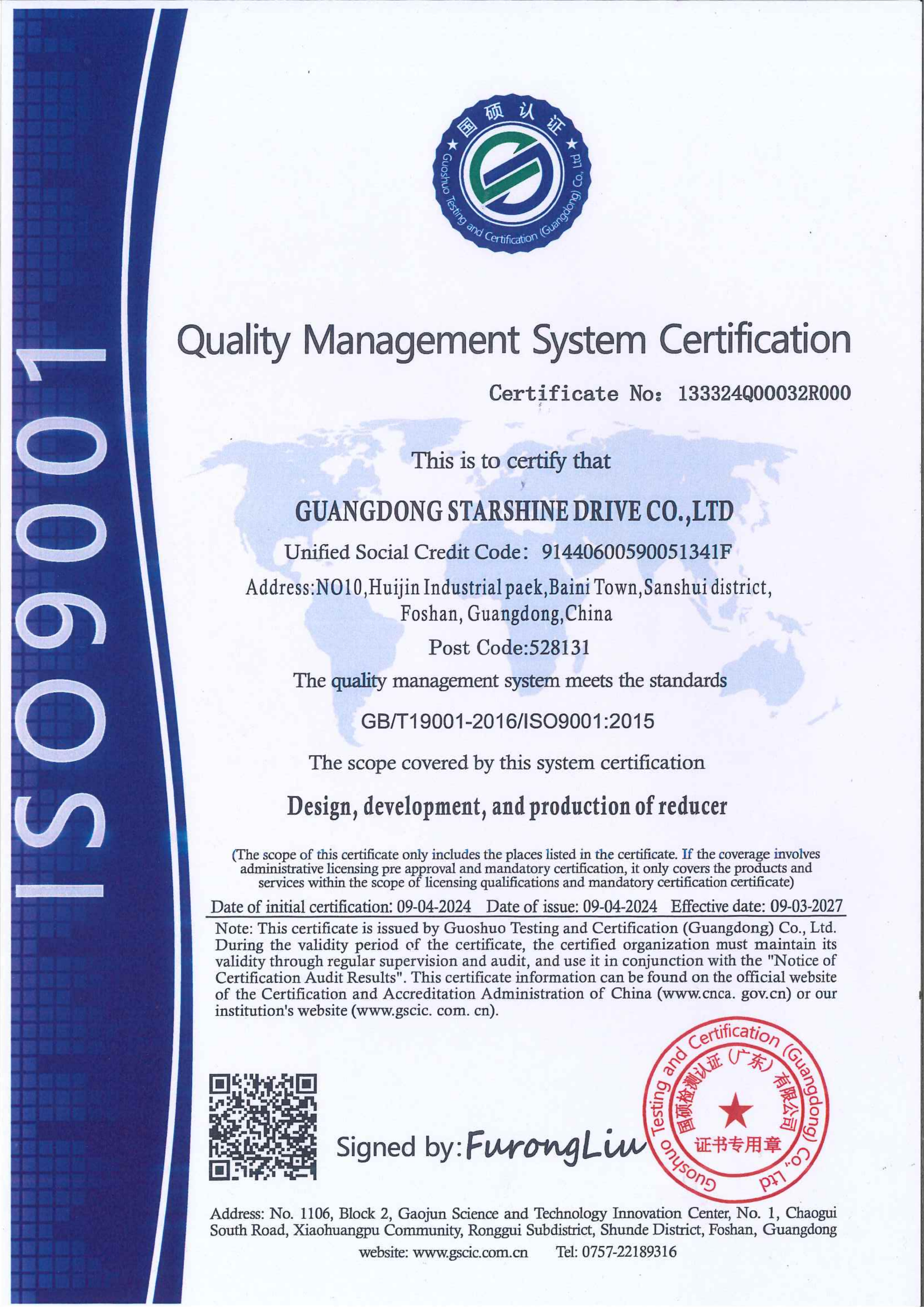
On the quality side, Starshine Drive holds a Quality Management System Certification to GB/T19001-2016 / ISO 9001:2015, certificate number 133324000032R000, issued by Guoshuo Testing and Certification (Guangdong) Co., Ltd. on 2024-04-09 and valid until 2027-03-09. The certified scope is the design, development and production of reducers, and the certificate applies to the global market. The company also states that all products comply with international and domestic standards including ISO, CE and CCC.
Frequently Asked Questions
What standards apply to a reducer supplied into a machinery project?
EN ISO 12100:2010 is the harmonised Type-A standard covering general principles for risk assessment and risk reduction in machinery design, and gear reducers fall within its scope. On the manufacturing side, Starshine Drive holds ISO 9001:2015 certification (GB/T19001-2016 / ISO9001:2015) under certificate number 133324000032R000, issued by Guoshuo Testing and Certification (Guangdong) Co., Ltd. on 2024-04-09 and valid until 2027-03-09, with the certified scope defined as the design, development and production of reducers. The company also states that its products comply with ISO, CE and CCC standards.
Which parameters can be customized on an industrial reducer?
Starshine Drive provides Vertical Customization production services globally, and the customizable parameters are reduction ratio, torque, shaft size, installation dimensions, housing material and surface finish. The manufacturer also supports non-standard modification per customer drawings. Ratio capability is architecture-dependent: the RV Series Worm Gearbox reaches a single-stage ratio of up to 100 and a double-stage ratio of up to 10,000, while the R/F/K/S Series Helical Gearmotors cover a single-stage range from 1.3 to 289.74 — so a custom ratio request is normally resolved by choosing the architecture that can reach it most efficiently, then adjusting the geometry around the machine.
How do you evaluate an OEM worm gear reducer manufacturer for custom ratios?
Assess four things rather than the brand name. First, ratio capability: whether the supplier's worm range covers the required single-stage or double-stage value — RV Series units reach 100 single stage and 10,000 double stage. Second, whether self-locking is available where needed, which the RV Series provides at i ≥ 60. Third, materials and treatment: a 20CrMnTi worm shaft with special heat treatment and a worm wheel in KK alloy copper are the wear-relevant specification items, supported by a synthetic worm gear lubricating oil. Fourth, whether the supplier can modify shaft size, installation dimensions, housing material and surface finish to match an existing machine drawing, and support it with OEM or ODM services. Those four checks distinguish a supplier that can engineer a ratio from one that can only quote a catalogue number.
Can I order a prototype before committing to volume production?
Yes. The minimum order quantity is 1 unit and prototype support is provided, with FOB delivery terms and a pre-shipment test as the acceptance basis. Quality verification on production units includes 100% full-scale testing, 100% finished product inspection, regular reliability and durability testing, and 100% online air tightness, noise and comprehensive motor testing on the assembly line. Prototype lead time should be planned against the customization scope rather than the standard schedule.
What is the typical lead time for a standard versus a custom reducer?
Typical production lead time is 7–20 days, depending on the product. Vertical customization projects run longer, in the range of 15–45 days. Because ratio, shaft size, installation dimensions, housing material and surface finish are all customization variables, the fastest route to a firm date is to issue the application drawing first and confirm which dimensions must change.
Conclusion: Specify the Parameters, Then the Supplier
A reducer specification is decided by five numbers and one environment statement: ratio, output torque, efficiency, duty profile, mounting geometry, and the conditions the unit will live in. Architecture follows from those inputs — worm where self-locking at i ≥ 60 and high single-stage ratio matter, helical where efficiency above 96% and a ratio band from 1.3 to 289.74 matter, planetary or coaxial where torque density and inline mounting dominate, hypoid or helical bevel where the drive turns a corner, cycloidal where shock resistance leads.
The differentiator between suppliers is rarely the catalogue. It is whether ratio, torque, shaft size, installation dimensions, housing material and surface finish can be changed to fit the machine — and whether that change is verified by 100% testing before shipment.
Next step. Send the application drawing and duty data — required output speed, peak torque, mounting position and ambient conditions — and the engineering team will confirm the architecture, a customized ratio, and a production lead time. Minimum order quantity is 1 unit with prototype support.
The full product catalogue is available here: Starshine Drive product catalogue (PDF).
Contact: WhatsApp / Phone +8615899805924 | Email jessica@xgcd.cn | Start a WhatsApp enquiry | Website www.ssdreducer.com
Address: No. 10 Huijin Industry Park, Baini Town, Sanshui District, Foshan City, Guangdong, P.R. China.
Have Questions or Need More Details?
Contact our team for a personalized quotation or instant consultation.
Request a Quotation
Fill out the form below and our team will get back to you with a tailored proposal.
WhatsApp Direct Chat
Prefer to chat in real-time? Message us on WhatsApp for instant assistance & quick answers.
- Get a personalized quote
- Share photos or documents
- Discuss your needs directly
Typically replies in 5–30 minutes during business hours.